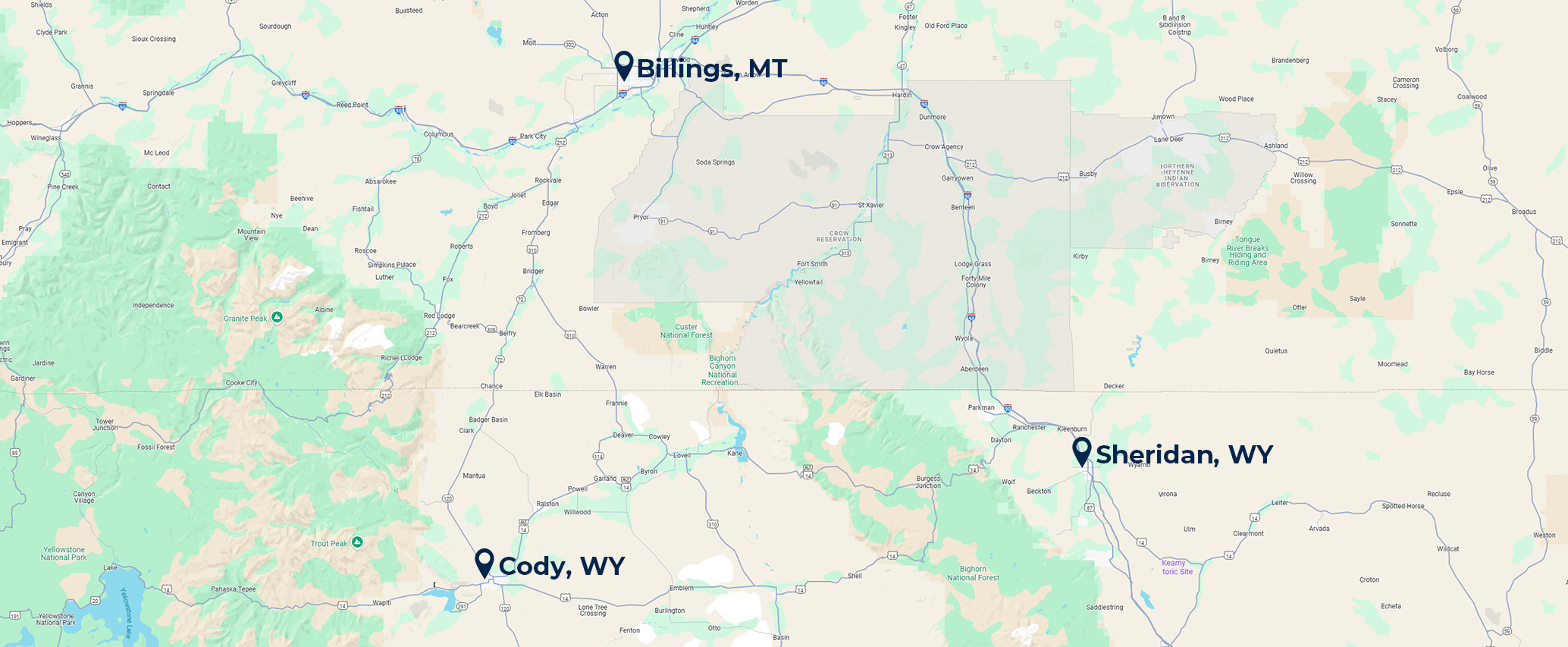
What Dermatology Services Are Available in the Yellowstone Area
Living near the Yellowstone area means you're surrounded by incredible natural beauty, but it also comes with its own set of skin challenges. Think intense sun, dry air, and maybe even some rough outdoor activities. That's where a local dermatologist comes in handy. They understand the specific issues folks in this region face and can offer tailored treatments. Finding a dermatologist near Yellowstone area treatments means you get care that's right for you and close to home.
Why should Yellowstone area patients see a local dermatologist?
Seeing a dermatologist who knows the Yellowstone area is a smart move for a few reasons. They're familiar with how the local climate, like the strong sun and dry air, can affect your skin. Plus, they can help with common issues that pop up here, whether it's from hiking, fishing, or just dealing with the weather.
Here's what you can expect:
- Personalized Care: They get the local environment and how it impacts skin health.
- Convenience: Having a specialist nearby means quicker appointments and easier follow-ups.
- Expertise: They handle everything from everyday acne and rashes to more serious concerns like skin cancer.
It's not just about looking good; it's about keeping your skin healthy, especially with the unique conditions found in places like Montana and Wyoming. A local expert can guide you on the best ways to protect yourself and treat any problems that arise.
Dermatologist Yellowstone Area Services — What Is Offered
When you think about seeing a dermatologist in the Yellowstone area, you might picture someone just dealing with acne or weird rashes. And yeah, they totally handle that stuff. But the services go way beyond the basics. Dermatologists are your go-to for a whole spectrum of skin, hair, and nail issues.
Here's a peek at what you can expect:
- Common Skin Conditions: Think things like eczema, psoriasis, rosacea, and fungal infections. They're also pros at tackling persistent acne, contact dermatitis from everyday irritants, and even molluscum contagiosum. If you've ever battled poison ivy, a dermatologist can help clear that up fast.
- Hair and Nail Problems: It's not just about your skin. Hair loss, thinning hair, and issues with your nails are also in their wheelhouse.
- Skin Cancer Concerns: This is a big one. From suspicious moles to diagnosed skin cancers, they offer everything from biopsies to advanced treatments like Mohs surgery, and even non-surgical options.
- Cosmetic and Rejuvenation: While not always the primary focus, many clinics offer services to improve the appearance of skin, like scar therapy or treatments for sun damage.
- Prescription Products: Sometimes, the right skincare products are part of the treatment plan. Dermatologists often recommend or provide access to specialized lines that can help maintain skin health.
Living in a place like the Yellowstone region means dealing with specific environmental factors. High altitudes, dry air, and lots of sun can really impact your skin. A local dermatologist understands these challenges and tailors treatments to work best for you in this climate.
So, whether it's a nagging rash, a concerning mole, or just wanting healthier-looking skin, the dermatologist Yellowstone area services are pretty extensive. They're equipped to handle everything from everyday annoyances to more serious health concerns.
Skin Cancer Screening Yellowstone Region — Why It Matters
Living in the Yellowstone region means enjoying the great outdoors, but it also comes with increased sun exposure. That's why regular skin cancer screening in the Yellowstone region is super important. Think of it like getting your car checked regularly – you want to catch any small issues before they become big problems. Skin cancer, especially when caught early, is often very treatable.
How often should Yellowstone area residents get a skin cancer screening?
There's no single answer that fits everyone, but here's a general guide:
- Annual Screenings: Most people, especially those with fair skin, a history of sunburns, or a family history of skin cancer, should aim for a yearly check-up with a dermatologist.
- More Frequent Checks: If you have a lot of moles, a history of precancerous spots, or have had skin cancer before, your dermatologist might suggest more frequent visits, maybe every six months.
- Self-Exams: Don't wait for your appointment! Get to know your skin. Check yourself head-to-toe once a month for any new spots or changes in existing ones. If you see something concerning, call your doctor right away.
The sun's rays can be strong, even on cloudy days. Protecting your skin and getting it checked regularly are key steps in staying healthy. Early detection makes a huge difference in how skin cancer is treated.
It's all about being proactive with your skin health. A quick look from a professional can give you peace of mind or catch something that needs attention sooner rather than later. Don't skip this important step in taking care of yourself, especially when you're out enjoying all the beauty the Yellowstone area has to offer.
Dermatology Clinic Services Wyoming Montana — Full Overview
When you're looking into dermatology clinic services in Wyoming and Montana, it's good to know what's out there. Think of a dermatologist as a doctor who really knows their stuff when it comes to your skin, hair, and nails. They handle everything from common things like acne and warts to more serious issues like skin cancer.
What's the Difference Between a General Doctor and a Dermatology Specialist?
While your regular doctor can handle a lot of health concerns, a dermatologist has extra training focused specifically on skin issues. They can spot problems that might not seem like a big deal to a general practitioner but could be something more.
Here’s a quick look at what a dermatologist can do:
- Diagnose and treat a wide range of skin conditions.
- Perform minor surgical procedures like biopsies and mole removals.
- Offer specialized treatments for skin cancer, including Mohs surgery.
- Provide advice on skin care products and long-term skin health.
What Kind of Problems Do Dermatologists Treat?
Dermatologists deal with a lot of different things. Some common issues they handle include:
- Chronic conditions: Eczema, psoriasis, and vitiligo often need ongoing care.
- Growths and lesions: This covers everything from harmless cysts and warts to suspicious moles that need checking.
- Hair and nail issues: Things like hair loss or nail damage can be treated.
- Skin cancer: Early detection and treatment are key, and dermatologists are experts here.
Living in areas like Wyoming and Montana means dealing with specific environmental factors. Things like high altitudes, dry air, and lots of sun exposure can really affect your skin. A local dermatologist understands these challenges and can tailor advice and treatments to help you manage them effectively year-round.
Skin Care Specialist Billings Montana Dermatology — How to Find the Right One
So, you're looking for a skin care specialist in Billings, Montana, specifically in dermatology? It can feel like a big task, right? You want someone who really knows their stuff, especially with all the unique skin challenges folks around here face, like the strong sun and dry air.
Finding the right dermatologist means looking for a blend of experience, a good bedside manner, and services that fit your needs. It's not just about treating a rash; it's about building a relationship with someone who understands your skin's long-term health.
Here’s a quick rundown of what to consider:
- Check their credentials: Are they board-certified? This means they've met rigorous standards in their field.
- Ask about their experience: Do they handle conditions common in our area, like sun damage or skin cancer?
- Read reviews (with a grain of salt): See what other patients say about their care and communication.
- Consider the services offered: Do they do general dermatology, surgical procedures, or cosmetic treatments? Make sure it aligns with what you're looking for.
Sometimes, you might need more than just a prescription. Many dermatology clinics in Billings, Montana, also offer specialized products or treatments to help maintain healthy skin between visits. Think of things like medical-grade skincare lines or specific scar treatments.
When you're choosing a dermatologist, remember it's a personal decision. You want to feel comfortable and confident that you're getting the best possible care for your skin. Don't be afraid to ask questions during your first appointment – it’s a great way to gauge their approach and see if they’re a good fit for you.
Wrapping Things Up
So, if you're dealing with a pesky rash, a mole that's got you worried, or just want to keep your skin looking its best in the Yellowstone area, know that there are good options out there. From routine check-ups to more serious skin cancer concerns, the local dermatologists are ready to help. They get what living in Montana is like – all that sun and dry air can really do a number on your skin. Don't put off getting that skin issue checked out; taking care of your skin is just part of taking care of yourself.
Frequently Asked Questions
What kind of skin problems can a dermatologist help with?
Dermatologists treat a wide range of issues affecting your skin, hair, and nails. This includes common problems like acne, eczema, psoriasis, and warts. They also handle more serious concerns such as different types of skin cancer and nail issues.
When should someone in the Yellowstone area see a skin doctor?
It's a good idea to see a dermatologist if you notice any changes in a mole, have a rash that won't go away, or see any new growths. Sudden changes in your hair or nails are also reasons to get checked out. A skin doctor can figure out what's going on and offer safe ways to treat it.
Are special skin care products used in dermatology?
Yes, sometimes. Besides medical treatments and procedures, dermatologists might suggest specific, well-researched skin care products. These can help maintain good skin health between visits or support healing after treatment.
What's unique about skin care in Montana and Wyoming?
Living in places like Montana and Wyoming means dealing with strong sun and dry air. Dermatologists in these areas consider these factors. They tailor advice on skin screenings, protection, and treatments to help people keep their skin healthy despite the local climate.
How often should I get a skin cancer check?
The frequency of skin cancer screenings can vary. It's best to talk with your dermatologist about how often you should be checked. They can give you a recommendation based on your personal risk factors, like your skin type and history of sun exposure.
What's the difference between a regular doctor and a dermatologist?
A regular doctor can handle many health issues, but a dermatologist is a specialist who has extra training specifically for skin, hair, and nail problems. They have more in-depth knowledge and experience with a wider range of skin conditions and treatments.
Blog Post Author

Contributed by Market Igniter
Market Igniter provides relevant content to help providers educate patients. The statements, services, and products referenced in this article have not been evaluated by the Food and Drug Administration, and they are not intended as a substitute for professional medical advice, diagnosis, or treatment. Always seek the advice of your provider with any questions or issues you may have. Specific recommendations may vary in different circumstances, so individual consultation is important.