
Mohs surgery is a precise way to remove skin cancer, often on the face. While it's great at getting rid of cancer, people naturally wonder about the recovery. How long does it take to heal after Mohs surgery? The answer isn't a simple number, as it depends on a few things. We'll break down what to expect, from the initial healing to when you can get back to normal life.

Basal cell carcinoma, often called BCC, is the most common type of skin cancer. It starts in the basal cells, which are found at the bottom of the outer layer of your skin. These cells help make new skin cells. While BCC usually grows slowly and doesn't often spread, it's still important to know about its signs and causes. Many cases are linked to sun exposure, but other factors can play a role too.

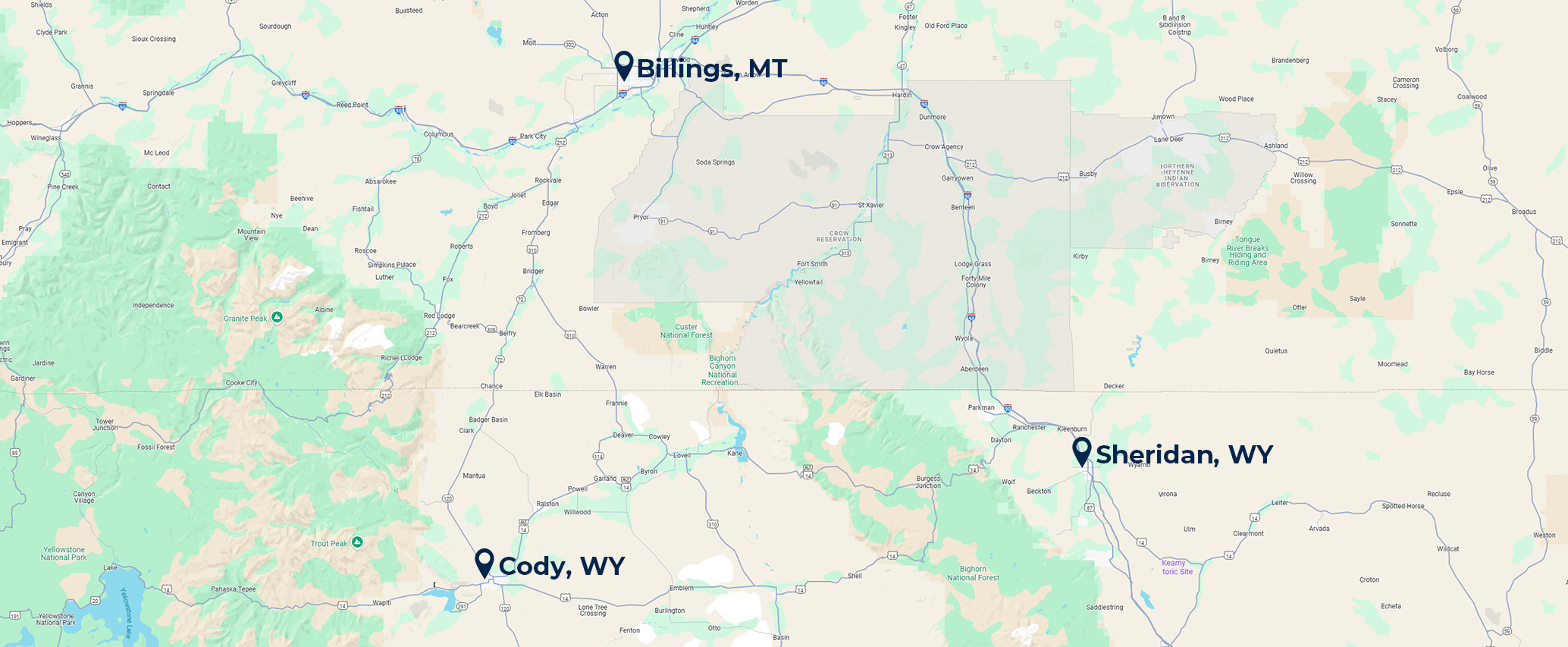
Getting dermatologic care on time is more than just a convenience; it's often necessary. Delaying evaluation may affect both diagnosis and outcomes, from long-term skin problems to early signs of skin cancer. But for many people, weekday appointments are difficult because of work, school, or family obligations. To address this, more practices now offer care outside traditional Monday–Friday hours. Yellowstone Dermatology Associates is one such forward-thinking practice, offering Saturday appointments to provide greater flexibility.
This shift reflects a deeper understanding of patient needs and creates new opportunities for timely, preventive, and comprehensive dermatologic care.

Skin cancer remains one of the most common cancers, but it is highly treatable when detected early and managed properly. While simple excision may work for some cases, more complex or high-risk skin cancers require a more advanced approach. Mohs micrographic surgery is considered the gold standard because it maximizes cancer removal while preserving healthy tissue and achieving a high cure rate. It is especially valuable for patients diagnosed with basal cell carcinoma, squamous cell carcinoma, or other aggressive skin cancers.
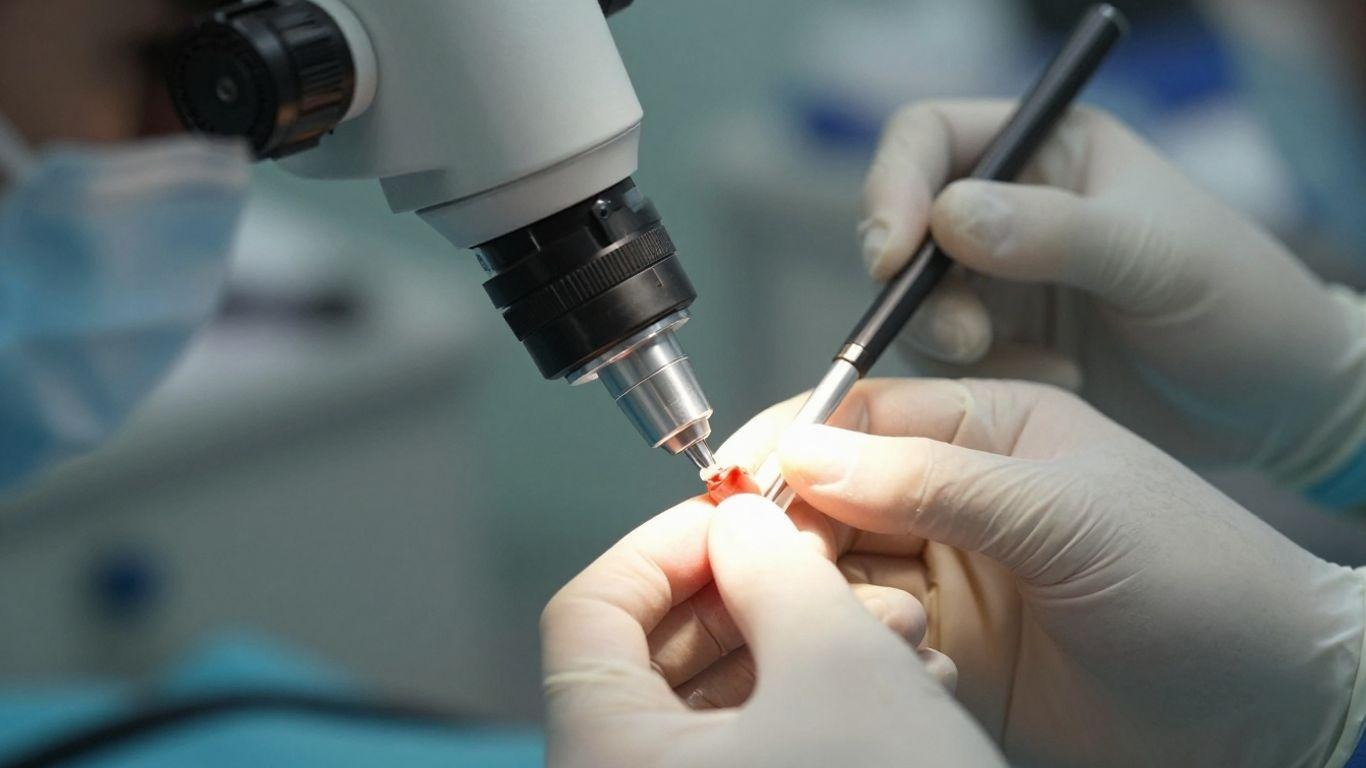
Mohs surgery involves removing tissue layer by layer and examining the margins under a microscope in real time. Because of its precision and effectiveness, it is preferred for areas where cosmetic outcome and tissue preservation are essential.

When someone is diagnosed with skin cancer, treatment decisions often come quickly, and so do worries about cost. Mohs surgery is a very precise and successful method to remove certain skin cancers. But it can differ from what most patients expect, particularly regarding billing and insurance coverage. In Montana, where advanced dermatologic care may require travel, understanding both the medical and financial sides is important for informed decisions.

Skin cancer, though frequently treatable, presents complex challenges when tumors arise in areas where both function and aesthetics must be preserved. For cancers of the face, scalp, ears, or recurrent lesions elsewhere, Mohs micrographic surgery has become the preferred method—not only for its superior cure rates but for the care it takes to preserve healthy tissue. Many patients may not be familiar with the term "Mohs," but the technique has been improved over the years and is still the best way to do dermatologic surgery.
Mohs surgery is more than just a way to get rid of skin cancer; it's a carefully planned mix of precise surgery and immediate microscopic analysis. This two-pronged approach lets you completely remove the tumor while keeping as much tissue as possible.

Skin cancer is often treatable, but it can be hard to deal with. What you see on the outside may only give you a hint of how it grows on the inside. When lesions are close to the nose, lips, or eyes, or when they come back after treatment, precision is very important. Mohs micrographic surgery is the only way to track and remove cancer layer by layer, with the help of real-time microscopic examination. But the procedure is only as good as the people who do it.
This is when board certification in Mohs surgery goes from being a credential to being a protection.

When a skin cancer diagnosis enters the conversation—particularly one involving the face—patients often feel torn between two urgent priorities: eliminating the disease and preserving appearance. That balance is rarely easy to strike. Yet in dermatologic surgery, one technique has earned a reputation for doing just that, over and over again. Mohs micrographic surgery, though technical in name, is an elegant solution rooted in a simple idea: remove the cancer entirely, and nothing more.

Your skin does much more than you think. It protects you, regulates temperature, and reflects changes in your overall health. While many people rely on lotions or home remedies, some skin conditions require professional care. Here are the most common signs that it’s time to see a dermatologist.
If you’ve had acne for months or years and it hasn’t improved with over-the-counter treatments, you should see a dermatologist. Severe acne can cause scars and affect your confidence. Dermatologists may prescribe stronger creams, oral medicines, or offer treatments like chemical peels and laser therapy.