How Much Does a Dermatologist Visit Cost? With and Without Insurance

Typical costs for a dermatologist visit
The answer to how much a dermatologist visit costs depends on what happens during the appointment, where you go, and how you pay. As a broad U.S. cash-pay estimate, a first consultation may run about $100–$300, while follow-ups can be less; these are planning ranges, not quoted prices. A procedure, lab test, or pathology review can add to the bill. See our dermatology services for the types of care we offer.
What a first-time consultation may cost
A first visit often takes longer than a follow-up because the dermatologist needs to hear your concerns, review relevant history, and examine the area involved. For an uninsured patient, a basic consultation commonly falls in the rough range of $100–$300, though local rates may land outside it. Ask whether the quoted amount covers only the consultation or also any treatment performed that day.
How follow-up appointments compare
Follow-ups are often shorter and may cost less than an initial visit. A rough self-pay planning range might be $75–$200, but the actual charge depends on the practice and the work involved.
Why prices vary by location and provider
Prices can differ between cities, rural areas, and even nearby offices. The provider’s training, the length and complexity of the appointment, and the practice’s billing arrangements can all affect the amount charged.
What common skin concerns may add to the bill
An appointment for acne, a rash, or another skin concern may involve a visual exam and a discussion of treatment, but some visits also include tests or procedures. Learn more about acne treatment at our practice.
| Visit need | Possible added service | What to clarify |
|---|---|---|
| Acne or rash evaluation | Medication or additional testing | Whether the visit quote includes testing |
| Changing mole check | Dermoscopic exam or biopsy | Whether a biopsy is billed separately |
| Persistent skin concern | Lab work or pathology review | Which service may receive a separate bill |
| Follow-up visit | Treatment adjustment or procedure | Whether the appointment is billed as a follow-up |
These are possibilities, not automatic charges. Ask the office what it expects to do during your appointment.
What you may pay with insurance
With insurance, your cost depends on your plan’s rules and how the visit is coded. Before booking, check both coverage and network status. Review the insurances we accept.
How copays, deductibles, and coinsurance affect your costs
A copay is a set amount for a covered service, while a deductible is the amount you may need to pay before the plan starts sharing certain costs. Coinsurance is usually a percentage of the allowed amount after the deductible rules are met.
When a referral or prior authorization may be needed
Some plans require a primary-care referral before you see a specialist, and certain services may require prior authorization. Ask the insurer what is needed and confirm that the dermatologist’s office has received any required paperwork.
How in-network and out-of-network care differ
In-network providers have an agreement with your plan, which generally means the insurer applies its contracted rates. Out-of-network care may cost more, receive limited coverage, or be excluded, depending on the policy.
Why a covered visit can still come with extra charges
Your deductible or coinsurance may apply, and a biopsy, lab test, medication, or pathology service may be processed separately from the office consultation. Compare the office’s billing with your insurer’s explanation of benefits.
What you may pay without insurance
Without insurance, you are generally responsible for the practice’s self-pay charges and any separate services. Review our financial policy for details.
How self-pay prices are set
A practice may set a cash rate for a new-patient consultation, a different rate for follow-up care, and separate charges for procedures or tests. Ask what the estimate includes.
What to ask about cash rates and payment plans
A quick call can clarify whether the office offers a self-pay rate and how payment is handled. These questions help distinguish the visit fee from potential additions:
- What is the cash price for this specific type of appointment?
- Does that amount include an exam, or only the consultation?
- How are biopsies, lab work, or pathology billed?
- Are payment plans or financial assistance available?
Ask for any estimate or payment terms in writing when possible.
How teledermatology costs may compare with office visits
A remote appointment may cost less than an in-person visit, but prices and services differ by provider. We offer teledermatology for suitable concerns. Confirm what the fee covers and what happens if an office visit is recommended afterward.
When a visit may involve separate lab or pathology fees
If the dermatologist takes a sample or orders testing, another laboratory or pathology service may bill separately. Before a non-urgent test, ask who will perform it and who will bill you.
How the reason for your visit changes the price
A simple evaluation and a visit that includes a procedure are not necessarily priced alike. Explaining your main concern when you book helps the office schedule the right appointment and give a more useful estimate.
Evaluations for acne, rashes, and other skin concerns
For acne, rashes, and similar concerns, the initial visit may focus on an exam, medical history, and a treatment plan. Medication costs are usually separate from the office fee. Bring a list of what you have tried.
Skin cancer screenings and suspicious-mole checks
A skin screening may be a visual examination, while a check of a particular changing spot may lead to closer assessment. If the dermatologist recommends a biopsy, that can add procedure and pathology charges. See our skin cancer treatment page.
Biopsies, injections, and in-office procedures
Procedures may add charges for the clinician’s work, supplies, and any laboratory or pathology service involved. Before proceeding, ask what the recommended procedure costs and whether it is billed separately.
Cosmetic treatments that insurance usually does not cover
Treatments sought primarily for appearance are often not covered by health insurance, though coverage rules vary. Ask for the full price before scheduling, including any follow-up visits.
How to estimate your total bill before booking
Describe the reason for the visit, ask what services might be separate, and confirm how the office will bill. Then check those details with your insurer if you plan to use coverage.
Confirm the visit type and expected appointment length
Tell the office whether you are a new patient, returning for follow-up, seeking a screening, or asking about a specific concern. If you have several concerns, mention them when booking.
Check your benefits and remaining deductible
Call the number on your insurance card or review your plan portal to ask how dermatology visits are covered. Confirm your copay, deductible status, coinsurance, and any referral requirement.
Ask whether tests or procedures are billed separately
Ask the practice what may be charged in addition to the consultation and whether outside labs or pathology services could send their own bills.
Verify the provider and facility’s network status
Check the dermatologist’s network status directly with your insurer, using the provider’s full name and practice location. Save the date and details of the conversation.
Ways to make a dermatologist visit more affordable
Lowering the bill often starts with knowing what you are being charged for. Do not delay urgent care solely to shop around.
Compare prices at nearby practices
Request estimates for the same appointment type from more than one local practice. Compare what each quote includes rather than choosing by the headline rate alone.
Ask about sliding-scale fees and financial assistance
Some practices or clinics may offer reduced fees based on income, payment arrangements, or other assistance. Ask directly and find out what documents may be needed.
Look into community clinics and telehealth options
Community health clinics may offer care at adjusted rates, depending on eligibility. Telehealth can be another option for suitable concerns, but it may not replace an in-person exam.
Discuss lower-cost treatment choices with your dermatologist
If a recommended plan feels unaffordable, say so plainly. The dermatologist may be able to discuss alternatives, timing, or which steps are most important to address first.
Conclusion
A dermatologist visit may cost a modest copay, a larger deductible-based amount, or a self-pay fee that varies by location and appointment type. Procedures and lab or pathology services can add separate charges, so the most reliable estimate comes from asking the office what is included and checking your benefits before you book. The American Academy of Dermatology’s Find a Derm tool can help you locate board-certified dermatologists. To schedule, contact Yellowstone Dermatology Associates.
Frequently Asked Questions
How much does a dermatologist visit cost without insurance?
A basic first consultation may fall roughly between $100 and $300, while a follow-up may be less, but local rates vary. Procedures, tests, and pathology can add to the total, so request a visit-specific estimate.
How much is a dermatologist copay?
There is no single standard copay. Your amount depends on your insurance plan, provider network, and benefit rules; check your plan details or call the insurer for the current figure.
Does insurance cover a dermatologist visit?
Many plans cover at least some dermatology care, but coverage depends on the plan, the reason for the visit, and applicable requirements. Deductibles, coinsurance, referrals, or prior authorization may affect what you owe.
Are follow-up visits cheaper than first appointments?
They can be, particularly when the follow-up is shorter and limited in scope. If the visit includes a procedure, additional evaluation, or testing, the charge may differ from a simple check-in.
Can a biopsy make my dermatologist bill higher?
Yes. A biopsy may involve a separate procedure charge and a pathology bill. Ask the office which services are included in its estimate and who may bill you separately.
Is teledermatology less expensive than an office visit?
It may be, but fees and what the appointment includes vary. Ask whether the remote visit suits your concern and whether an in-person appointment would cost extra if one is needed.
What should I ask before booking a dermatologist appointment?
Ask for the price of your specific visit type, what the estimate includes, and whether tests or procedures are billed separately. If using insurance, verify network status, deductible, copay or coinsurance, and any referral or authorization requirement.
About the Author
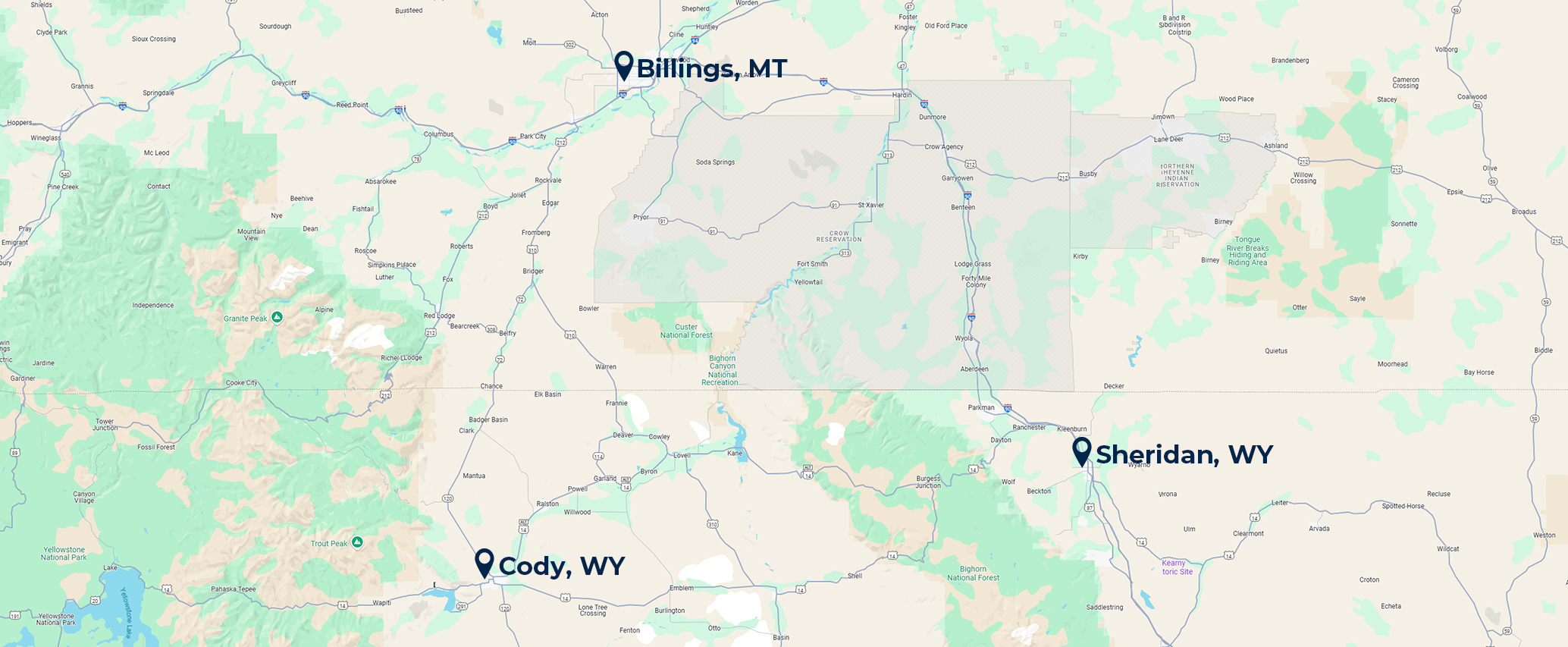
This article was prepared for Yellowstone Dermatology Associates, 178 S 32nd St W, Suite 2, Billings, MT 59102, with locations in Cody and Sheridan, WY. It reflects the experience of Dr. Eric Maranda, MD, FAAD, a board-certified dermatologist and Mohs surgeon who trained at the University of Miami Miller School of Medicine and is an active Fellow of the American Academy of Dermatology. He has published over 40 book chapters and manuscripts and is a member of the American Academy of Dermatology, the American Society of Mohs Surgery, the Florida Society of Dermatologic Surgeons, and the Montana Medical Association.
Disclaimer
This content is for general educational purposes only and is not a substitute for professional medical advice, diagnosis, or treatment. Price ranges are broad estimates and not quotes; confirm costs and coverage with the practice and your insurer.
Blog Post Author

Contributed by Market Igniter
Market Igniter provides relevant content to help providers educate patients. The statements, services, and products referenced in this article have not been evaluated by the Food and Drug Administration, and they are not intended as a substitute for professional medical advice, diagnosis, or treatment. Always seek the advice of your provider with any questions or issues you may have. Specific recommendations may vary in different circumstances, so individual consultation is important.