Do You Need a Referral to See a Dermatologist?
When you can book directly
Whether you can schedule with a dermatologist on your own depends on how you plan to pay and the rules of your coverage. Some people book directly, while others need a referral for their insurance to pay for the visit. If you’re wondering, “do I need a referral to see a dermatologist,” start by checking your plan rather than assuming every insurer follows the same rule. You can see our accepted insurances to get started.
Paying out of pocket or using a PPO plan
If you’re paying the full cost yourself, you can often contact a dermatologist directly, though the office may have its own intake or scheduling requirements. With a PPO plan, you can generally choose specialists without a primary care referral, but your plan may cover in-network care at a different rate than out-of-network care.
Seeing a dermatologist through Original Medicare
Original Medicare generally doesn’t require a referral to see a specialist for covered care. You’ll still want to confirm that the dermatologist accepts Medicare and that the service is covered, since coverage can depend on the reason for the visit and the care provided.
Booking for a skin concern without a primary care visit
You may be able to contact a dermatology office directly about a new or ongoing skin concern. The office can tell you whether it accepts self-scheduled patients and whether it needs records first. You can book an appointment with our team online.
When your health plan may require a referral
Some insurance plans make a primary care provider the first stop for specialist care. The rule can affect whether your plan pays for a dermatology visit, even if the dermatologist is willing to schedule you.
HMO and gatekeeper plan rules
Many HMO plans use a gatekeeper arrangement, where your primary care provider coordinates referrals to specialists. If your plan follows this approach, seeing a dermatologist without the required referral could leave you responsible for some or all of the bill.
Medicare Advantage and Medicaid plan differences
Medicare Advantage plans set their own rules within Medicare requirements, and some plans require referrals or limit coverage to a network. Medicaid coverage and referral rules vary by state and by managed care plan.
Referrals versus prior authorization
A referral is typically a request or direction to see a specialist; prior authorization is a plan’s advance review of a particular service or treatment. One may be required without the other, or a plan may require both, so ask about each separately.
How to check your coverage before scheduling
A quick coverage check can prevent surprises after a visit. Look at your member materials or call the number on your insurance card, and describe the type of appointment you’re considering.
Find your plan’s specialist-care rules
Start with your plan’s summary of benefits or member portal and search for specialist visits, referrals, and prior authorization. These common plan types can offer a starting point, but they are not a substitute for checking your own benefits:
| Coverage type | What may apply | What to verify |
|---|---|---|
| PPO | Often allows direct specialist visits | Referral rules, network status, and cost sharing |
| HMO | May require a primary care referral | Referral approval and in-network requirements |
| Original Medicare | Generally does not require a referral | Medicare acceptance and service coverage |
| Medicare Advantage or Medicaid | Rules vary by plan or state | Referral, network, and authorization requirements |
Use the table as a prompt for questions, not as a guarantee of coverage.
Confirm the dermatologist is in network
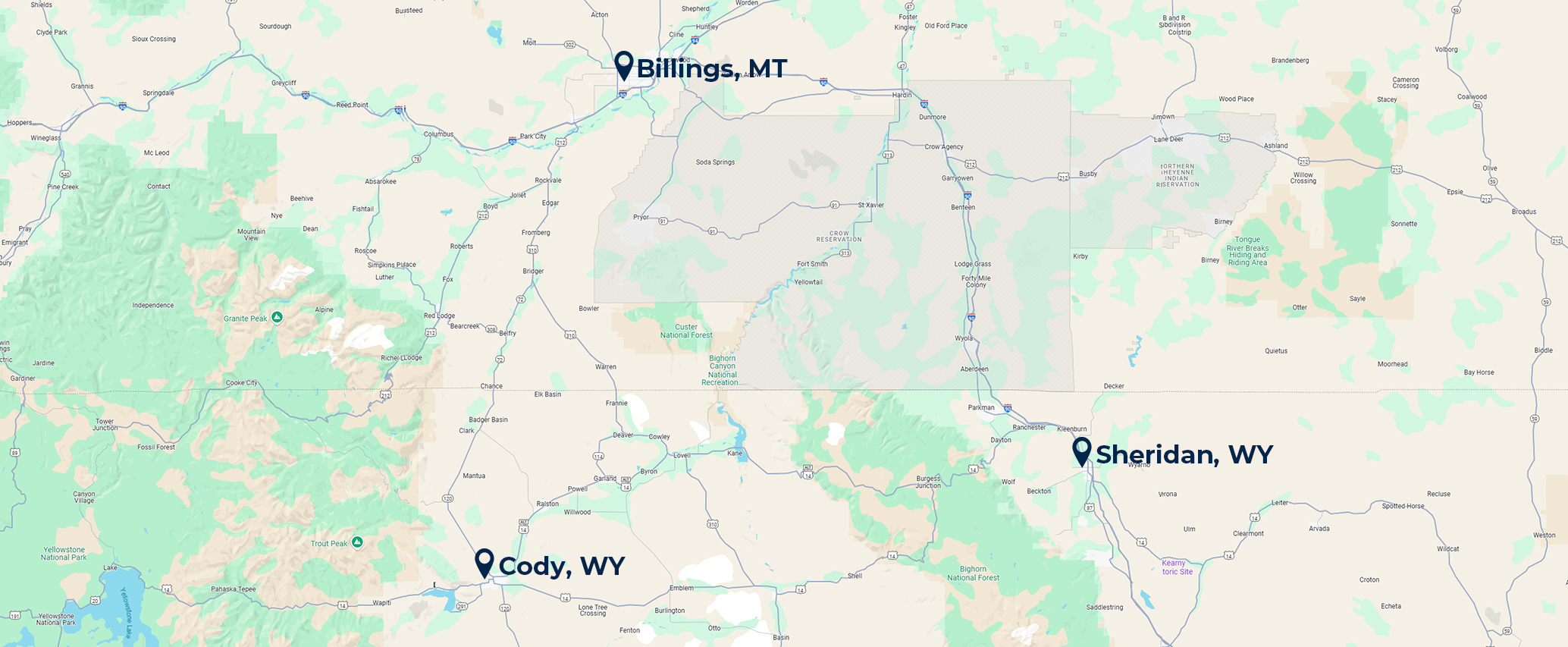
Ask the insurer whether the dermatologist and the specific office location are in network. A practice may have more than one location, and network participation can differ by clinician or site. See our locations in Billings, Cody, and Sheridan.
Ask about referral paperwork and visit costs
Before you set a date, ask whether the office needs a referral on file and whether the insurer requires prior authorization. You can also ask what the visit may cost under your plan. Review our financial policy.
What to do if you need a referral
If your plan requires a referral, you can usually begin by contacting your primary care provider’s office. Confirm that the referral process matches your plan’s instructions before making an appointment.
Start with your primary care provider
Call or message your primary care provider and ask whether an appointment is needed before they can refer you. If your plan requires a referral to a particular specialist, share that requirement with the office.
Share symptoms, photos, and relevant history
Clear details can help your provider understand why you’re requesting specialist care. Useful information may include:
- Where the concern is and when you first noticed it
- Changes in its size, appearance, or symptoms
- Treatments or products you have used and how they affected it
- Photos that show how it has changed over time, if available
If symptoms are severe or changing quickly, say so when you contact the office rather than waiting for a routine appointment.
Track referral approval and expiration dates
Ask when the referral was sent, which dermatologist it names, and whether it has an expiration date or visit limit. Then check with the specialist’s office that the paperwork arrived.
When to see a dermatologist promptly
Not every skin concern needs same-day attention, but a changing or troubling symptom deserves timely follow-up. Learn about skin cancer treatment if you have a spot that concerns you.
Changing or bleeding spots
Arrange prompt medical evaluation for a spot that is changing, repeatedly bleeding, or not healing. A clinician can assess what kind of follow-up is appropriate; don’t rely on a photo or an online description to determine what it is.
Severe rashes, infections, or sudden symptoms
A rash that is spreading quickly, very painful, or accompanied by fever or other concerning symptoms may need timely medical attention. Explain how quickly the symptoms appeared and whether they are getting worse.
When to seek urgent or emergency care instead
For severe symptoms, such as trouble breathing, facial or throat swelling, or a rapidly worsening condition, seek emergency care rather than waiting for a dermatology appointment. A referral process should not delay emergency care.
How to make your first appointment go smoothly
Once you know how you’ll access care, a little preparation can make the visit easier. You don’t need to arrive with a diagnosis; a clear account of what you’ve noticed is enough.
Choose the right type of dermatology practice
When you call, describe the concern and ask whether the practice sees patients for that type of issue. Our dermatology services include medical, surgical, and skin cancer care.
Gather medication and treatment details
Bring a list of prescription medicines, over-the-counter products, and supplements, along with any allergies you know about. Note what you have tried for the skin concern and whether it helped.
Prepare for possible costs and follow-up visits
Ask how the office bills for the first visit and whether additional services could be discussed. If follow-up is recommended, ask how soon it should happen and whether you’ll need another referral or authorization.
Conclusion
You may be able to book directly with a dermatologist, but your plan’s referral, network, and authorization rules can affect what you pay. Check those requirements with your insurer and the office before scheduling, and don’t wait for a routine appointment if symptoms call for urgent or emergency care. The American Academy of Dermatology offers a Find a Derm tool for locating board-certified dermatologists. To schedule, contact Yellowstone Dermatology Associates.
Frequently Asked Questions
Can I see a dermatologist without a referral?
Often, yes, but it depends on your insurance plan and the dermatologist’s scheduling policies. Check whether your plan requires a referral for coverage before you book.
Do PPO plans usually require a referral to see a dermatologist?
Many PPO plans allow members to see a specialist without a referral, but plan terms vary. Confirm the referral rules, network status, and expected costs with your insurer.
Do HMO plans require a referral for dermatology?
Many HMO plans require a primary care referral to see a specialist, though the details vary. Ask your plan whether approval is needed and whether the referral must identify a specific dermatologist.
Does Original Medicare require a referral to see a dermatologist?
Original Medicare generally does not require a referral for specialist care. Confirm that the dermatologist accepts Medicare and ask whether the service you need is covered.
Is a referral the same as prior authorization?
No. A referral is typically a request or direction to see a specialist, while prior authorization is an insurer’s advance review of a service or treatment. Your plan may require one, both, or neither.
What should I do if my plan requires a referral?
Contact your primary care provider’s office and ask how to request one. Then check with your insurer and the dermatologist’s office to confirm that the referral is approved, received, and valid for the appointment.
Should I wait for a referral if my symptoms are severe?
Don’t delay emergency care for severe symptoms such as trouble breathing or facial or throat swelling. For urgent concerns, contact a clinician or urgent care service for advice about where to go.
About the Author
This article was prepared for Yellowstone Dermatology Associates, 178 S 32nd St W, Suite 2, Billings, MT 59102, with locations in Cody and Sheridan, WY. It reflects the experience of Dr. Eric Maranda, MD, FAAD, a board-certified dermatologist and Mohs surgeon who trained at the University of Miami Miller School of Medicine and is an active Fellow of the American Academy of Dermatology. He has published over 40 book chapters and manuscripts and is a member of the American Academy of Dermatology, the American Society of Mohs Surgery, the Florida Society of Dermatologic Surgeons, and the Montana Medical Association.
Disclaimer
This content is for general educational purposes only and is not a substitute for professional medical advice, diagnosis, or treatment. Insurance rules vary by plan; confirm referral and coverage requirements with your insurer. Seek emergency care for severe symptoms.
Blog Post Author

Contributed by Market Igniter
Market Igniter provides relevant content to help providers educate patients. The statements, services, and products referenced in this article have not been evaluated by the Food and Drug Administration, and they are not intended as a substitute for professional medical advice, diagnosis, or treatment. Always seek the advice of your provider with any questions or issues you may have. Specific recommendations may vary in different circumstances, so individual consultation is important.