Botox Aftercare: Do's and Don'ts After Treatment

Whether you had Botox at a medical spa, plastic surgery office, or another provider, knowing what to expect afterward can make the first day or two much less stressful. Dr. Eric Maranda, MD, FAAD and the team at Yellowstone Dermatology Associates in Billings, Cody, and Sheridan regularly field questions from patients about how to care for their skin after cosmetic procedures, so we've put together general guidance on what's normal, what to avoid, and when a symptom is worth a call to a medical professional.
What to Expect Right After Treatment
Immediately after Botox injections, the treated area may look a little pink or slightly raised, and mild tenderness, tightness, or small bumps at the injection sites are common. These changes are usually temporary and tend to be more noticeable when several areas were treated in the same visit.
Try not to judge the result in the mirror right away. Botox does not create its full effect instantly, and the skin's early appearance can be affected by the injections themselves rather than the treatment's actual outcome. Your face should still move normally afterward, although the treated muscles will gradually feel less active over the following days.
What Not to Do in the First 24 Hours
| Avoid | Why It Matters |
|---|---|
| Rubbing, pressing, or massaging the injection sites | Pressure can spread the product beyond the intended muscle |
| Strenuous exercise or heavy lifting | Raises blood pressure and flushing, which can increase bruising and swelling |
| Saunas, hot tubs, and very hot showers | Heat and flushing may affect how the treated area settles |
| Lying flat or bending over for long periods | Staying upright for the first several hours is generally recommended |
| Facials, facial massage, or other treatments that press on the skin | These can interfere with the injection sites before they've settled |
A low-key schedule is usually easier than trying to work around a demanding workout or a hot environment. Most people can return to their normal routine after the first day, but if your provider gave you a longer restriction, that guidance takes priority over general information like this.
Botox Do's for Best Results
Treat the skin gently while the injection sites settle. Use a light touch when cleansing, avoid picking at any marks, and let small bruises fade on their own rather than rubbing them. If a cool compress is recommended, wrap it in fabric and use it briefly rather than placing ice directly on the skin.
Keep a simple record of your treatment: which areas were treated, the appointment date, and any changes you notice over the following weeks. That information is genuinely useful if you need to call your provider's office with a question.
How Long Until Results Show?
Many people notice a change within a few days, though timing varies by treatment area, dose, and individual response. The effect develops gradually as the treated muscles become less active, so early results can look subtle, and one side of the face may appear to change before the other. That doesn't necessarily mean the final result will be uneven. Give the treatment time to settle, and follow up with your provider at whatever point they recommended if you still have questions about symmetry or the degree of change.
Common Side Effects and How to Manage Them
Small bruises, mild redness, tenderness, and limited swelling around the injection points are common, and some people notice a temporary headache or a feeling of pressure in the treated area. These effects are usually most noticeable early on and improve as the skin recovers. Comfort measures should stay gentle: a cool compress may help with minor swelling, and avoiding rubbing protects the skin from added irritation. Don't start a new medication or supplement specifically for aftercare without checking with a healthcare professional first, especially if you have other medical conditions or take prescription medicines. The American Academy of Dermatology also recommends confirming your injector's board certification and asking about aftercare instructions before any cosmetic procedure, since results and recovery depend heavily on who performs the treatment.
When to Follow Up With Your Provider
Most offices schedule a follow-up once enough time has passed to assess the developing result. That visit is a normal part of the process, not a sign that something went wrong.
| Situation | Practical Next Step |
|---|---|
| Mild bruising or tenderness | Monitor it and use only advised comfort measures |
| Questions before the planned review | Call the treating office for guidance |
| Concern about an uneven early result | Wait for the recommended assessment window |
| Symptoms that worsen instead of easing | Contact the provider promptly |
How Long Do Results Last?
Results are temporary and gradually fade as muscle activity returns, though the exact duration varies from person to person and by treatment area. Rather than expecting a precise expiration date, watch for a slow return of movement or the gradual reappearance of the treated concern. Avoid scheduling another appointment earlier than advised; a qualified provider can help decide whether repeating treatment makes sense and what timing fits your situation.
Signs You Should Contact Your Provider
Call the treating office if discomfort becomes severe, swelling keeps increasing, or redness spreads instead of settling. Seek urgent medical attention for serious symptoms such as trouble breathing, swallowing, speaking, or seeing, or for sudden weakness that concerns you; these should not wait for a routine follow-up visit. When you do call, describe when the symptom began, how quickly it changed, and whether you followed the aftercare instructions you were given.
If you notice a skin reaction, rash, or irritation that doesn't seem to be settling in the way your injector described, a board-certified dermatologist can also help evaluate what's happening with your skin. Our team sees patients in Billings, Cody, and Sheridan for a wide range of medical skin concerns, and you're welcome to reach out or schedule a visit if something about your skin doesn't feel right after any cosmetic or dermatologic procedure.
Conclusion
Botox aftercare mostly comes down to giving the treated area time and avoiding unnecessary pressure, heat, and exertion during the first day. Mild, temporary changes are normal, while worsening or serious symptoms deserve a call to your provider. Follow the specific instructions from whoever performed your injections, be patient with the developing result, and don't hesitate to ask questions if something doesn't feel right.
Frequently Asked Questions
Can I wash my face after treatment?
Usually, gentle cleansing is fine, but avoid scrubbing, rubbing, or pressing on the injection sites. Follow any specific instructions from your provider.
Can I exercise after treatment?
Many providers recommend avoiding strenuous exercise for part of the first day. Confirm the timing with your injector, especially if several areas were treated.
Is bruising after treatment normal?
Small bruises can occur at injection sites and often fade with time. Contact your provider if bruising is extensive, worsening, or paired with increasing pain or swelling.
When should I expect to see results?
Changes often develop gradually over several days rather than appearing immediately. Discuss your result at the follow-up point your provider recommended.
What should I do if I'm worried about my result?
Contact the treating office and explain what you're noticing, when it began, and what you expected. Early changes may not reflect the finished result, so your provider can advise whether to wait or come in for an assessment.
About the Author
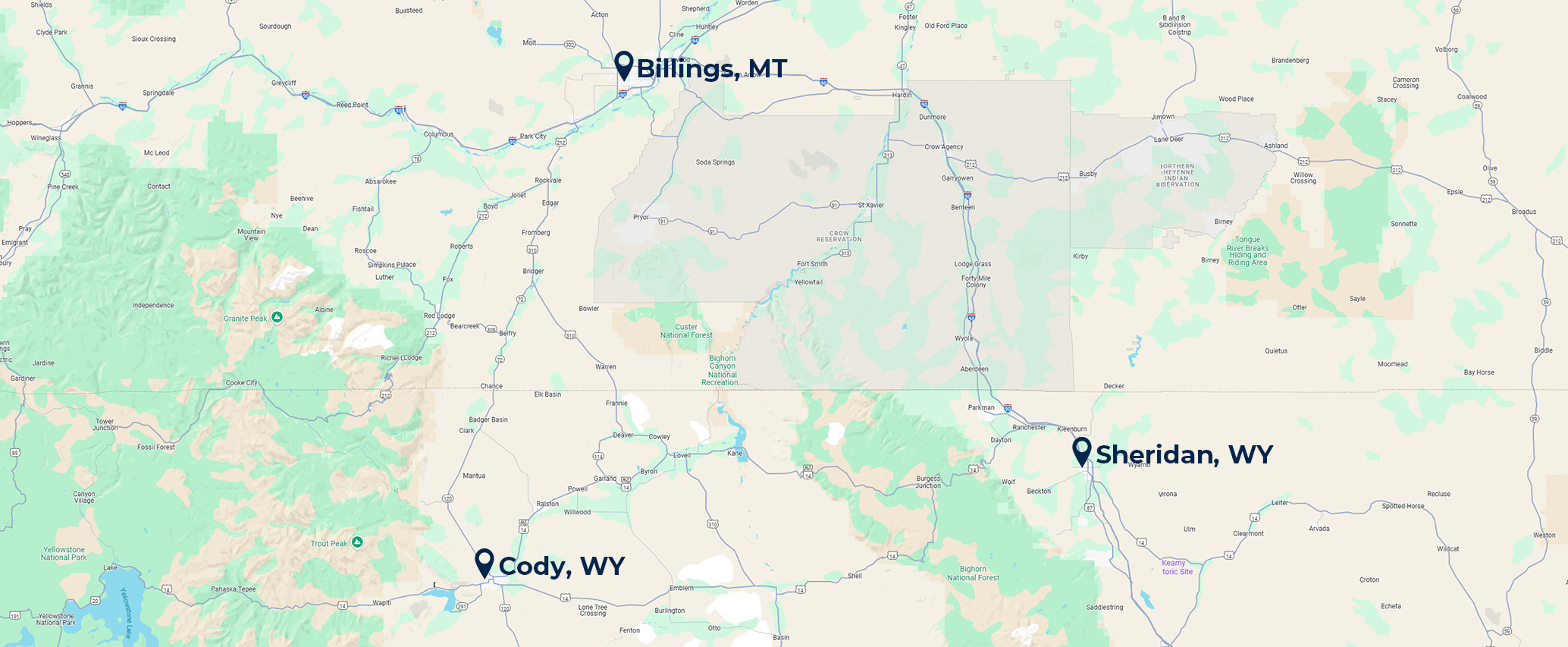
Yellowstone Dermatology Associates has locations in Billings, MT, Cody, WY, and Sheridan, WY, serving Billings, Laurel, Red Lodge, Cody, Miles City, Sheridan, and the surrounding Montana and Wyoming communities. The practice is led by Dr. Eric Maranda, MD, FAAD, a board-certified dermatologist and Mohs surgeon who trained in the Department of Dermatology and Cutaneous Surgery at the University of Miami Miller School of Medicine and is an active Fellow of the American Academy of Dermatology. This article provides general educational information and does not describe a service offered at Yellowstone Dermatology Associates.
Medical Disclaimer
The information provided in this article is for educational purposes only and does not constitute professional medical advice, diagnosis, or treatment, and it does not describe a treatment offered by Yellowstone Dermatology Associates. Aftercare instructions from your treating provider should always take priority over general information like this. Always seek the advice of a qualified healthcare provider with any questions regarding a medical or cosmetic procedure. Never disregard professional advice or delay in seeking it because of something you have read here.
Blog Post Author

Contributed by Market Igniter
Market Igniter provides relevant content to help providers educate patients. The statements, services, and products referenced in this article have not been evaluated by the Food and Drug Administration, and they are not intended as a substitute for professional medical advice, diagnosis, or treatment. Always seek the advice of your provider with any questions or issues you may have. Specific recommendations may vary in different circumstances, so individual consultation is important.