Basal Cell vs. Squamous Cell Carcinoma: Key Differences Explained
Spotting the common signs of a skin abnormality can feel overwhelming when you do not have a medical background. Many people worry about any bump or red patch they notice, and knowing what the most common growths look like is a smart first step toward protecting your health. At Yellowstone Dermatology Associates in Billings, Montana, board-certified dermatologist Dr. Eric Maranda helps patients understand these differences and catch problem spots early.
What Are the Main Types of Non-Melanoma Skin Cancer?
Non-melanoma skin cancers are very common and usually stem from cumulative sun exposure over many years. Two categories dominate the conversation: basal cell carcinoma and squamous cell carcinoma. Both begin in the outer layers of the skin but develop from different cell types.
- Basal cells sit in the deepest part of the epidermis and produce new skin cells.
- Squamous cells are located closer to the surface and form the outer layer.
- Both types are strongly linked to long-term ultraviolet light exposure.
- Regular skin checks help identify these growths while they are still small and manageable.
These distinctions matter because doctors handle each type differently. Their growth patterns vary depending on where they originate in the tissue, which is why an accurate diagnosis guides the right skin cancer treatment.
How They Differ in Appearance and Behavior
A professional visual inspection is needed to tell these conditions apart reliably. While both may appear as persistent sores or bumps, their physical characteristics often hint at different behaviors. Basal cell carcinoma frequently shows up as a pearly or waxy bump, or a flat, flesh-colored or brown scar-like lesion. Squamous cell carcinoma more often appears as a firm red nodule or a flat sore with a scaly, crusted surface. Our team is trained to recognize these subtle variations in texture and color.
Which Skin Cancer Is More Serious: Basal Cell or Squamous Cell?
Severity often depends on how quickly a lesion changes and its potential to invade deeper layers. Basal cell carcinoma is very common but rarely spreads to other areas of the body. Squamous cell carcinoma can sometimes grow more aggressively and has a somewhat higher chance of spreading if it is not caught soon enough. Prevention and early detection are always the most effective approach, because early stages are far simpler to resolve than advanced tissue damage.
How Dermatologists Diagnose Basal Cell vs. Squamous Cell Carcinoma
Diagnosis involves a physical examination and, in most cases, a small skin biopsy to confirm the exact nature of the cells. During a routine check, a dermatologist looks for specific markers that distinguish one type from the other. According to the American Academy of Dermatology, a biopsy is the only way to know for certain whether a suspicious spot is cancerous and which type it is.
Treatment Options for Each Type of Skin Cancer
Treatment plans vary based on the size, location, and type of cancer found during the initial assessment. Surgeons often choose techniques that clear the growth while preserving as much healthy skin as possible. The table below compares the two conditions at a glance.
| Feature | Basal Cell Carcinoma | Squamous Cell Carcinoma |
|---|---|---|
| Growth speed | Primarily slow-growing | Can be more rapid |
| Metastasis risk | Very low probability | Low, but possible |
| Common sites | Sun-exposed areas | Sun-exposed areas |
Choosing a treatment pathway relies heavily on the pathologist's final report. For cancers on the face or in cosmetically or functionally sensitive areas, Mohs surgery offers one of the highest cure rates while removing the least amount of healthy tissue. Your dermatologist will explain which option fits your specific situation.
Risk Factors and Prevention for Both Types
Reducing your risk revolves around limiting your total lifetime ultraviolet exposure. Protective clothing, broad-spectrum sunscreen, and avoiding peak sun hours remain the most effective daily habits for long-term skin health. These preventive steps apply to everyone, regardless of skin type or personal history. Performing regular self-checks and noting any mole or spot that changes over time makes it easier to catch a problem while it is still small.
When to See a Dermatologist About a Suspicious Spot
If you find a new spot, a sore that fails to heal within a few weeks, or a patch that changes in color or size, book an appointment. It is always better to have an expert examine a minor issue than to wait until it becomes complicated. Prompt evaluation ensures you receive the correct diagnosis for your specific needs. You can reach our team through our contact page to schedule a skin exam.
Conclusion
Navigating your skin health feels easier once you recognize the basic differences between the most common non-melanoma skin cancers. By identifying suspicious spots early and relying on the guidance of trained professionals, you can protect your skin from long-lasting damage and get the right care for your unique situation. If something on your skin has you concerned, reach out to our team for an evaluation.
Frequently Asked Questions
Can I tell the difference between these skin cancers myself?
It is nearly impossible to distinguish them definitively without a biopsy, because many symptoms overlap in appearance, color, and texture.
Do these cancers always appear as bumps?
No. They can also present as scaly red patches, bleeding sores that do not heal, or scar-like growths that slowly enlarge over time.
Is one type more painful than the other?
Both may feel tender, itchy, or crusty, but neither is typically described as painful in the early stages of development.
How often should I have a skin exam?
Most experts recommend an annual full-body skin check, though your dermatologist may suggest more frequent visits if you are at higher risk.
Are these cancers life-threatening if found late?
Most are highly treatable when caught early, but they can cause significant local damage and become far harder to manage if ignored for years.
About the Author
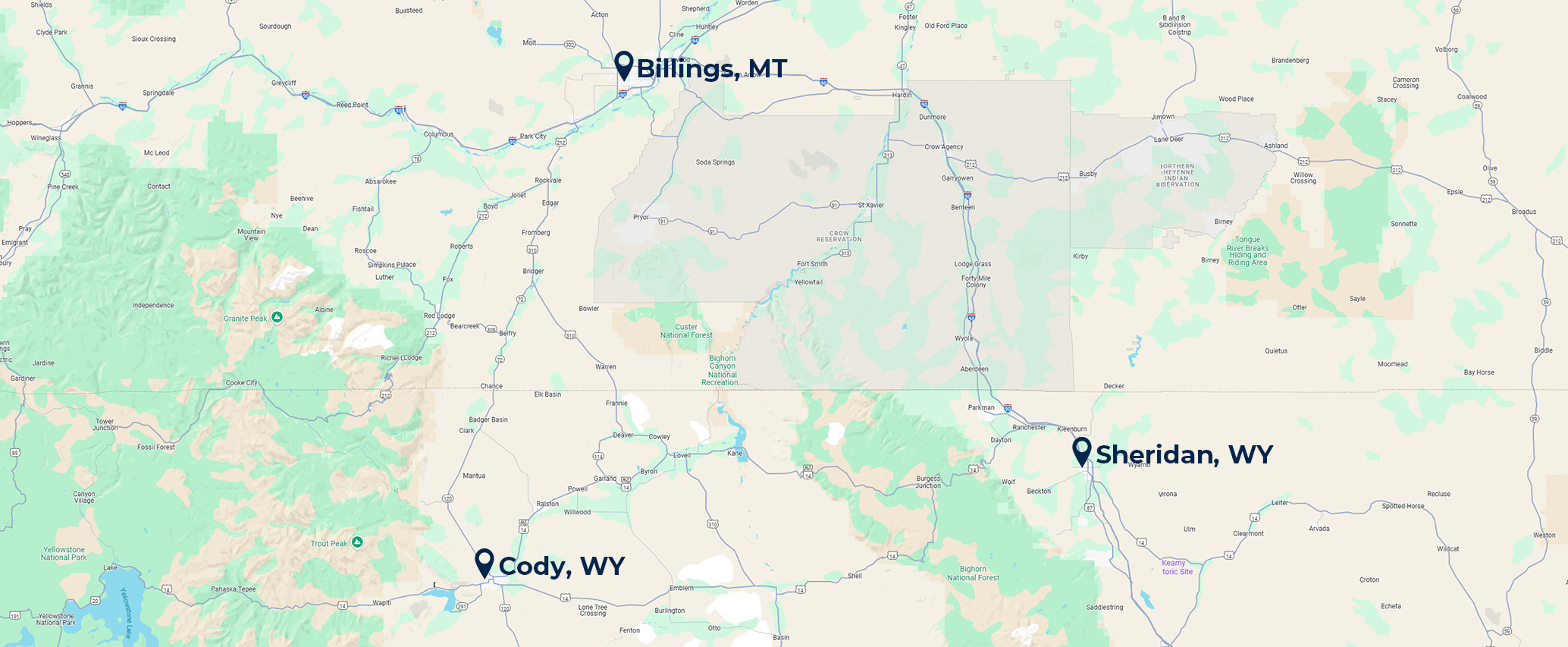
Yellowstone Dermatology Associates is a medical and surgical dermatology practice serving Billings, Montana, along with Cody and Sheridan, Wyoming. The practice is led by Dr. Eric Maranda, MD, FAAD, a board-certified dermatologist and Mohs surgery specialist with a focus on the detection and treatment of skin cancer. The team provides medical dermatology, surgical dermatology, skin cancer care, and Mohs surgery with an emphasis on compassionate, personalized treatment.
Medical Disclaimer
The information provided in this article is for educational purposes only and does not constitute professional medical advice, diagnosis, or treatment. Only a qualified dermatologist can diagnose skin cancer, typically with a biopsy. Always seek the advice of your dermatologist or other qualified health provider with any questions you may have regarding a skin condition or treatment. Never disregard professional medical advice or delay in seeking it because of something you have read here.
Blog Post Author

Contributed by Market Igniter
Market Igniter provides relevant content to help providers educate patients. The statements, services, and products referenced in this article have not been evaluated by the Food and Drug Administration, and they are not intended as a substitute for professional medical advice, diagnosis, or treatment. Always seek the advice of your provider with any questions or issues you may have. Specific recommendations may vary in different circumstances, so individual consultation is important.