Actinic Keratosis: The Precancerous Spots You Shouldn't Ignore
Many of us have spent years enjoying the sunshine without worrying too much about what shows up on our skin later. You might notice small, rough patches that just do not seem to go away after a few weeks. It is common to dismiss these as simple dry skin or a minor irritation that will clear up on its own, but some of them deserve a closer look. At Yellowstone Dermatology Associates in Billings, Montana, board-certified dermatologist Dr. Eric Maranda helps patients tell harmless dry skin apart from precancerous spots that need attention.
What Does Actinic Keratosis Actually Look Like?
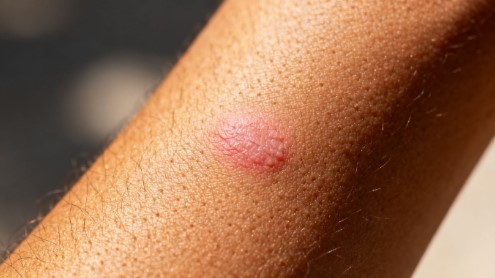
Because these patches grow slowly, they are often easy to miss until they become thick or crusty enough to feel against your clothing. They most frequently appear where the sun hits hardest, such as the face, ears, scalp, or the backs of the hands. The texture is often described as feeling like sandpaper, and the spots may bleed or sting if you accidentally scratch them. Keep an eye on any spot that:
- Changes its overall shape or size.
- Starts to bleed or ooze fluid frequently.
- Feels itchy, tender, or particularly painful.
- Looks physically different from the surrounding skin.
If you frequently deal with these spots, a professional evaluation helps clarify whether you are seeing a simple patch of dry skin or something that needs care. Proper identification is the first step in managing your skin health effectively.
Can Actinic Keratosis Turn Into Skin Cancer?
It is natural to worry about the long-term implications of sun-damaged spots when you notice them in the mirror. Not every patch will progress to a more serious stage, but the risk is real. The main concern is that an untreated actinic keratosis can develop into squamous cell carcinoma, a common form of skin cancer. Monitoring your skin over the years is one of the smartest things you can do for your health.
Why These Sun Damage Spots Need Professional Attention
Because of that potential to transform into skin cancer, these lesions are best evaluated with a proper diagnostic plan rather than watched at home alone. Dermatologists use dermoscopy to get a clearer view of the surface, helping them tell benign growths apart from those that may need removal. Photographic monitoring over time also provides a reliable record of change, far more dependable than visual memory. This lets your provider build a strategy that fits your specific history of sun exposure and current skin condition, and connects naturally to our broader skin cancer treatment approach.
Actinic Keratosis Treatment and Removal Options
Deciding how to tackle these spots involves looking at where they are, how many you have, and how your skin tends to heal after minor procedures. There is no one-size-fits-all approach, and a good conversation with your provider covers the benefits of different techniques based on your lifestyle. The table below gives a general overview of common methods.
| Treatment Method | Typical Usage | Primary Goal |
|---|---|---|
| Cryosurgery | Isolated lesions | Freezing and shedding the spot |
| Photodynamic therapy | Larger surface areas | Selective lesion destruction |
| Topical creams | Widespread damage | Encouraging skin cell turnover |
For a single, well-defined lesion, cryosurgery is often quick and effective. By weighing these options together, you and your dermatologist can choose a path that fits your comfort level and the extent of the sun damage.
How Dermatologists Decide Which Treatment to Use
When a provider evaluates your skin, they weigh the severity of the damage against the most minimally invasive way to resolve it. A few isolated spots may only need a quick freezing treatment, while widespread damage across a larger area might respond better to a topical cream or light-based therapy. According to the American Academy of Dermatology, treating actinic keratoses early is the best way to prevent them from progressing into skin cancer.
Preventing New Actinic Keratosis Spots From Forming
Daily habits really do make a difference in keeping your skin resilient against further sun damage. You cannot undo past exposure, but you can protect what you have now with consistent, high-quality habits: wearing broad-spectrum sunscreen every day, seeking shade during peak hours, wearing protective clothing and a hat, and avoiding tanning beds entirely. These simple steps meaningfully lower the odds of new spots forming.
When to Schedule a Skin Check With a Dermatologist
If you have a history of sun damage, annual skin screenings are the standard way to catch potential issues early. There is no benefit to waiting until a spot becomes painful or unsightly before getting it checked. Setting a recurring annual or semi-annual appointment keeps your skin monitored regardless of how it looks to you at home. You can reach our team through our contact page to schedule a full-body skin exam.
Conclusion
Caring for your skin means staying proactive and watching for the subtle changes that follow years of sun exposure. By consulting a professional early rather than waiting for symptoms to worsen, you gain peace of mind and access to the effective treatment options available today. If a rough patch on your skin has not gone away, reach out to our team for an evaluation.
Frequently Asked Questions
Are all rough patches on the skin actinic keratosis?
No. Many skin conditions cause dryness, scaling, or rough patches. Only a dermatologist can provide an accurate diagnosis through a professional examination.
Can I use over-the-counter moisturizers to heal these spots?
Good hydration helps general skin comfort, but it will not remove or treat these spots. Professional care is needed to address the underlying cellular damage.
Does the treatment process take a long time?
Most common treatments, such as cryosurgery, are quick procedures that typically take only a few minutes per lesion in the office.
Will my skin be permanently scarred after removal?
Most modern removal methods are precise and designed to minimize scarring, often leaving the area looking clear once healing is complete.
Is it possible to prevent them entirely?
You cannot undo past sun damage, but diligent sun protection and avoiding tanning beds are the best ways to reduce the risk of developing new spots.
About the Author
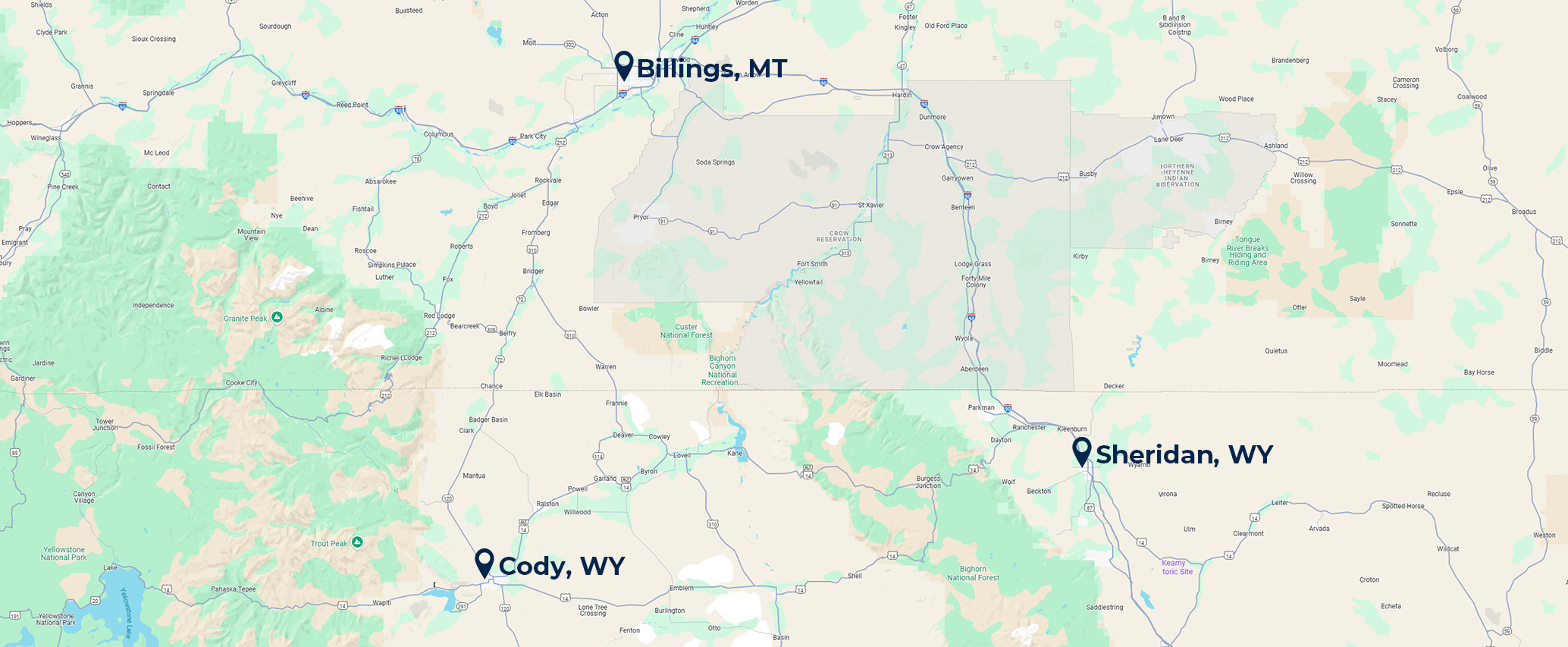
Yellowstone Dermatology Associates is a medical and surgical dermatology practice serving Billings, Montana, along with Cody and Sheridan, Wyoming. The practice is led by Dr. Eric Maranda, MD, FAAD, a board-certified dermatologist and Mohs surgery specialist with a focus on the detection and treatment of skin cancer. The team provides medical dermatology, surgical dermatology, skin cancer care, and Mohs surgery with an emphasis on compassionate, personalized treatment.
Medical Disclaimer
The information provided in this article is for educational purposes only and does not constitute professional medical advice, diagnosis, or treatment. Only a qualified dermatologist can diagnose actinic keratosis or skin cancer. Always seek the advice of your dermatologist or other qualified health provider with any questions you may have regarding a skin condition or treatment. Never disregard professional medical advice or delay in seeking it because of something you have read here.
Blog Post Author

Contributed by Market Igniter
Market Igniter provides relevant content to help providers educate patients. The statements, services, and products referenced in this article have not been evaluated by the Food and Drug Administration, and they are not intended as a substitute for professional medical advice, diagnosis, or treatment. Always seek the advice of your provider with any questions or issues you may have. Specific recommendations may vary in different circumstances, so individual consultation is important.