
Why Is My Skin Suddenly Breaking Out in Hives?
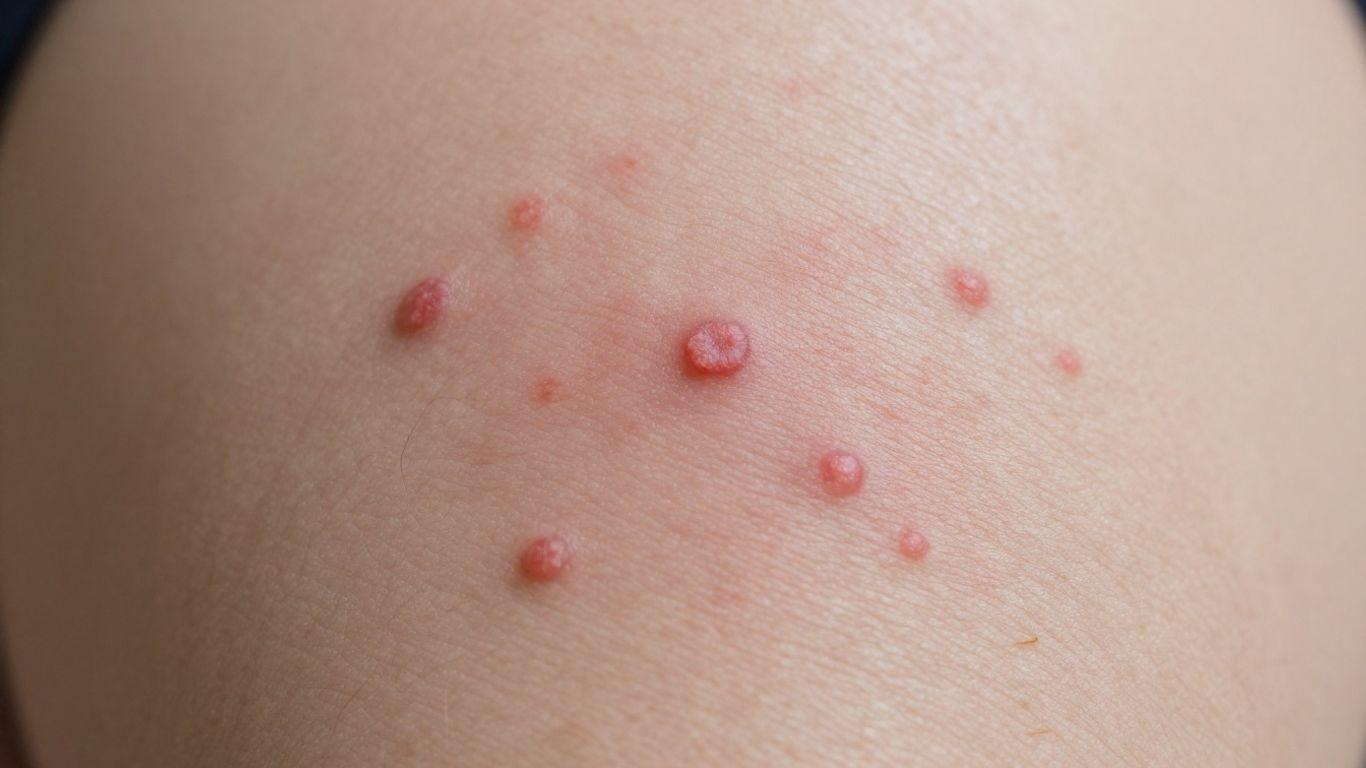
So, you wake up one morning, and bam! Your skin is covered in those annoying, itchy red bumps. You're probably thinking, "Why is my skin suddenly breaking out in hives?" It can be super confusing, especially when it feels like it came out of nowhere. Hives, also known as urticaria, are basically raised welts on your skin that can pop up anywhere – your face, arms, legs, you name it. They can be small like pinpricks or cover larger areas, and they're usually pretty itchy and sometimes even a bit tender.
What triggers hives to appear suddenly with no warning?
It's true, hives can seem to appear without any heads-up. Often, it's your body's reaction to something, even if you don't immediately know what that something is. Think of it like your immune system sending out an alarm. This alarm can be triggered by a bunch of different things, and sometimes it's a combination of factors.
Here are some common culprits that can make hives pop up unexpectedly:
- Allergic Reactions: This is a big one. You might have eaten something new, come into contact with a plant, or even been stung by an insect. Medications, both prescription and over-the-counter, can also cause hives.
- Infections: Believe it or not, your body fighting off a virus or bacteria can sometimes lead to hives. This is often seen as your immune system is working hard.
- Physical Stimuli: Things like sudden changes in temperature (hot showers, cold air), pressure on your skin (like from tight clothing), or even sunlight can trigger a hive outbreak in some people.
- Stress: Yep, that everyday stress can actually manifest physically. When you're stressed, your body releases chemicals that can lead to hives.
Sometimes, the reason for hives isn't obvious right away. It's like a puzzle where the pieces aren't immediately visible. Don't get too worked up if you can't pinpoint the cause instantly; it often takes a little detective work.
It's important to remember that while most hives are temporary and resolve on their own, they can sometimes be a sign of something more serious. If your hives are accompanied by other symptoms like difficulty breathing or swelling of the face or throat, that's a medical emergency.
Sudden Hives on Skin — Common Causes and Triggers
When you wake up one day with itchy, blotchy patches all over your arms or neck, it can be pretty freaky. You’re probably asking, “Why is my skin doing this now?” The truth is, sudden hives on skin causes and triggers aren’t always obvious at first. Some folks get them due to allergies, but sometimes, your daily routine or stress might be the real culprits.
Can stress or food allergies cause sudden hive breakouts?
Yes — stress and food allergies are two of the biggest suspects when hives seem to pop up out of nowhere. But the list doesn’t end there. Here are some everyday things that might lead to a sudden outbreak:
- Eating something new (especially nuts, shellfish, eggs, or dairy)
- Dealing with a stressful week at work or home
- Taking a new medicine, like antibiotics or painkillers
- Getting over a cold or a minor infection
- Wearing tight or scratchy clothes that irritate your skin
- Jumping into a hot shower or swimming in cold water
Sometimes, it’s a mix of triggers. For example, you might eat something spicy while stressed out, and both things team up to release histamine in your body.
| Common Trigger | Typical Reaction Time | Example |
|---|---|---|
| Food (e.g., nuts, shellfish) | Minutes to hours | Eating shrimp salad |
| Stress | Hours to days | Final exam season |
| New medication | Hours to days | Starting antibiotics |
| Infection (cold, flu, etc.) | Days | Hives during recovery |
| Physical irritation | Immediate to hours | Wearing tight jeans |
| Temperature change | Minutes | Stepping into a hot shower |
If your hives seem to appear out of nowhere, remember that triggers aren’t always easy to spot. Sometimes, it’s not the food or the stress, but a combination of small things adding up.
In short, sudden hives can be caused by anything from that new dish you tried, to nerves before a speech, or even just an itchy sweater. If it keeps happening, try jotting down what you ate, your mood, any meds you started, and what you did each day. Patterns might show up after a few breakouts.
What Causes Random Hives to Appear on the Body?
So, you've woken up with itchy, red welts, and you have no idea why. It's a common question: what causes random hives to appear on the body? Hives, also known as urticaria, are basically your body's way of reacting to something. This reaction often involves the release of histamine, a chemical that makes blood vessels near the skin's surface expand, leading to those familiar raised, itchy bumps. While sometimes the culprit is obvious, like a known allergy, other times it's a total mystery.
How do you identify what is triggering your hives?
Figuring out what's behind a sudden hive breakout can feel like detective work. Often, it's not just one thing, but a combination of factors. Here are some common suspects:
- Allergic Reactions: This is a big one. Think foods (nuts, shellfish, eggs, dairy), medications (antibiotics, pain relievers), insect bites or stings, or even things like latex. If you ate something new or started a new medication, that's a good place to start looking.
- Infections: Your body might be fighting off a bug. Viral infections, like the common cold or flu, are frequent triggers. Bacterial infections, such as strep throat or a urinary tract infection, can also cause hives as your immune system kicks into gear.
- Physical Triggers: These are less about what you ingest and more about what your skin experiences.
- Temperature Changes: Going from a cold outdoor environment into a warm room, or stepping into a hot shower, can sometimes set off hives. This is known as cold or heat urticaria.
- Pressure: Prolonged pressure on the skin, like from tight clothing or sitting in one position for too long, can cause hives to form.
- Exercise: Believe it or not, physical activity can sometimes trigger hives. This is called exercise-induced urticaria and might be linked to a chemical released during exercise.
- Stress: Emotional stress can really mess with your body. It can cause the release of chemicals that lead to hives, often appearing on the face, neck, chest, and arms.
- Chronic Conditions: If hives stick around for more than six weeks, they might be a sign of an underlying issue like an autoimmune disorder (think lupus or thyroid problems) or inflammation of blood vessels (vasculitis). These are less common but more serious.
When hives pop up out of nowhere, it's easy to get frustrated. But remember, your body is trying to tell you something. Paying attention to when they appear, what you were doing, eating, or feeling beforehand can give you some big clues.
If you're struggling to pinpoint the cause, or if your hives are severe or persistent, it's always a good idea to chat with a doctor. They can help you sort through the possibilities and figure out the best way to get relief.
Chronic Hives Causes and Treatment Options Explained
Dealing with chronic hives (also called chronic urticaria) is a whole different situation compared to a one-time, random episode. Chronic hives means you’ve got itchy, red or skin-toned welts popping up for more than six weeks—and at that point, it’s a good idea to find out what’s causing the issue and what you can do about it.
When does a hive breakout become a medical emergency?
Getting hives by itself is usually annoying, but not dangerous. BUT if you notice any of these symptoms along with your hives, get emergency care right away:
- Trouble breathing or swallowing
- Swelling in your lips, tongue, face, or throat
- Dizziness or fainting
- Chest tightness or rapid heartbeat
These can be signs of a severe allergic reaction (anaphylaxis). Don’t try to ride it out at home—better safe than sorry.
Chronic hives don’t always have an obvious cause and can be stubborn, but that doesn’t mean you’re stuck just dealing with them forever. There are lots of chronic hives causes and treatment options that can help.
Common Causes of Chronic Hives
Here’s the thing: sometimes you can track down what’s causing your hives, and sometimes they just happen with no clear reason. Here are the most common culprits:
- Autoimmune conditions (your immune system just gets confused)
- Chronic infections (viral or bacterial)
- Regular exposure to temperature changes, pressure, or sunlight
- Ongoing medication reactions
- Stress, if you're prone to stress-related symptoms
- Idiopathic (that’s doctor-speak for “we really don’t know”)
| Cause | Does It Usually Have Obvious Triggers? | Can It Go Away on Its Own? |
|---|---|---|
| Autoimmune | Sometimes | Possible |
| Chronic infection | Rarely | Sometimes |
| Medication-related | Often | If med is stopped |
| Stress | Sometimes | Yes, with stress relief |
| Idiopathic (No known trigger) | Sometimes | Sometimes |
Chronic Hives Causes and Treatment Options
Thankfully, chronic hives can be managed—even if you never figure out what’s behind them. Here’s what doctors usually recommend:
- Daily antihistamines: Regular, non-drowsy over-the-counter antihistamines are usually the first thing your doctor will suggest.
- Prescription options: If the usual meds don’t work, stronger antihistamines or other types of medication (like montelukast, omalizumab injections, or even short-term steroids) might be on the table.
- Lifestyle tweaks: Keeping a daily diary for a few weeks can help you find patterns and avoid possible triggers, even if they aren’t obvious at first.
- Moisturizers and anti-itch lotions: These won’t fix the hives but can tone down the itch so you're not scratching yourself raw.
- Treating underlying conditions: If your doctor finds a root cause like thyroid disease, treating that can actually make the hives vanish.
Remember: don’t stop any medications or try new treatments without chatting with your healthcare provider first. Chronic hives causes and treatment options can vary a lot from person to person.
Hives Breakout — When to See a Dermatologist Right Away
Okay, so you've got these itchy bumps, and they're not going away. While sometimes hives just pop up and disappear on their own, there are definitely times when you should get a professional to take a look.
Don't mess around if you're having trouble breathing, feeling dizzy, or if your face, tongue, or throat starts swelling up – that's an emergency, call 911 or head to the ER immediately. That could be a sign of a serious allergic reaction.
But even if it's not that dramatic, it's a good idea to make an appointment with a doctor or dermatologist if:
- Your hives stick around for more than a couple of days and aren't getting better.
- They keep coming back, even after you think you've figured out what caused them.
- You can't pinpoint what's triggering them, and it's making you feel pretty stressed or uncomfortable.
- You've got a fever or just feel generally unwell along with the hives.
Sometimes, hives can be a clue that something else is going on in your body, like an infection or even a reaction to a medication you're taking. A doctor can help sort through the possibilities. They might ask you to keep a diary of when the hives appear, what you ate, and what you were doing. This can be super helpful in figuring out the puzzle.
It's easy to just try to tough it out, especially if the hives aren't totally disabling. But persistent or unexplained hives can really impact your quality of life, not to mention potentially signal a bigger issue. Getting it checked out is usually the smartest move.
Wrapping Up: What to Do About Sudden Hives
So, you've suddenly got hives, and it's a bit of a puzzle. Remember, they're usually your body's way of reacting to something, whether it's a new food, a bit of stress, or even just a change in temperature. Most of the time, they clear up on their own or with a simple antihistamine. But if they're really bothering you, don't go away after a couple of days, or if you notice any trouble breathing or swelling in your face, it's time to call a doctor. Keeping a little diary of when they pop up can be super helpful for figuring out the cause. Don't stress too much about it – usually, it's nothing serious, but it's always good to get it checked out if you're concerned.
Frequently Asked Questions
What exactly are hives?
Hives are those itchy, raised red bumps that pop up on your skin. They can be small or large, and they might appear anywhere on your body. Think of them as little welts that show up when your body releases a chemical called histamine.
Can stress make me break out in hives?
Yep, totally! Stress is a pretty common trigger for hives. When you're stressed, your body can release chemicals that might cause those itchy bumps to appear. It's like your skin is reacting to the pressure you're feeling.
What if I ate something new and got hives?
That's a big clue! Food allergies are a super common reason for sudden hives. If you notice hives after trying a new food, especially something like nuts, shellfish, or eggs, it's a good idea to avoid that food and let your doctor know.
Do infections cause hives?
They sure can. Your body might break out in hives as it fights off a cold, the flu, or even a bacterial infection like strep throat. Usually, the hives go away once the infection gets better.
When should I worry about hives?
Most hives aren't a big deal and go away on their own. But if you start having trouble breathing, feel dizzy, or notice swelling in your face, lips, or tongue, that's an emergency. You should also see a doctor if hives last for more than a few days or keep coming back.
How can I figure out what's causing my hives?
Keeping a little journal can be really helpful. Jot down what you ate, what you did, or what new things you were around right before the hives appeared. This info can help a doctor pinpoint the exact cause and figure out the best way to stop them from coming back.
Blog Post Author

Contributed by Market Igniter
Market Igniter provides relevant content to help providers educate patients. The statements, services, and products referenced in this article have not been evaluated by the Food and Drug Administration, and they are not intended as a substitute for professional medical advice, diagnosis, or treatment. Always seek the advice of your provider with any questions or issues you may have. Specific recommendations may vary in different circumstances, so individual consultation is important.