What Does Skin Cancer Look Like
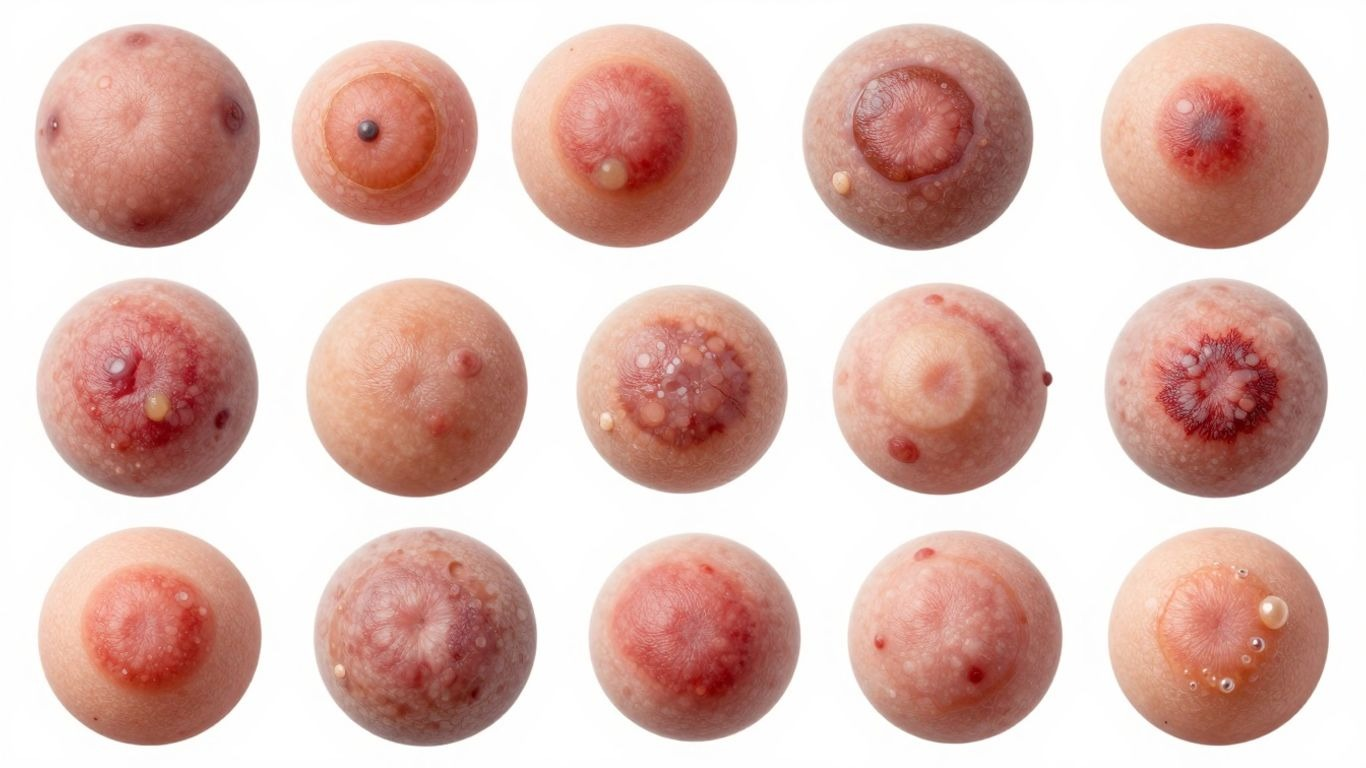
Spotting skin cancer early is super important. It can pop up anywhere on your body, no matter your age or skin color. Because skin cancers don't all look the same, it can be a bit tricky to know what you're looking at. Pictures can help, but the best thing is to get familiar with your own skin and what's normal for you. If you see anything new, changing, or just plain weird, don't wait – get it checked out by a doctor.
Key Takeaways
- Skin cancer can appear in many different shapes and sizes, making it hard to identify. Knowing your skin is key to early detection.
- Regularly checking your skin, about once a month, is a good habit. Look for anything new, changing, or unusual.
- Basal cell carcinoma often looks like a pearly or waxy bump, sometimes with a scaly or shiny surface. It's the most common type.
- Squamous cell carcinoma can show up as a firm red lump, a scaly patch, or a sore that doesn't heal. It often appears on sun-exposed areas.
- Melanoma is the most serious type and can look like an irregular, multi-colored mole or a new dark spot. The ABCDE rule (Asymmetry, Border, Color, Diameter, Evolving) can help spot potential melanomas.
What Does Skin Cancer Look Like?
So, you're wondering, what does skin cancer look like? It's a super important question because catching it early makes a huge difference. The tricky part is that skin cancer doesn't just show up as one thing. It can pop up in all sorts of shapes, sizes, and colors, making it a bit of a chameleon. Think of it like this: your skin is your body's biggest organ, and sometimes, things can go a little haywire with the cells, especially after too much sun.
What are the most common visual signs of skin cancer?
Generally, you're looking for changes. That's the main theme. It could be a new spot that wasn't there before, or an old mole that's decided to change its appearance. Sometimes it's a sore that just won't quit healing, or a patch of skin that looks different from everything else around it.
- New growths: This could be anything from a small bump to a larger patch. It might be shiny, pearly, waxy, or even scaly.
- Sores that don't heal: If you have a cut or a spot that seems to heal up but then reopens, or just keeps looking raw, that's a flag.
- Changes in existing moles: Moles are usually pretty stable. If one starts to grow, change color (getting darker, lighter, or developing multiple colors), or its borders get fuzzy or uneven, pay attention.
- Unusual patches: Sometimes, it's just a patch of skin that's a different color – maybe darker, redder, or browner than the surrounding skin. It might also feel a bit rough or scaly.
It's really important to remember that skin cancer can look different on different people, depending on their skin tone. On lighter skin, it might be a pink or red spot. On darker skin, it can sometimes appear as a dark, glossy bump or even a band under a fingernail or toenail. Don't assume you're in the clear just because you don't see a classic dark mole.
Basically, if something on your skin looks new, is changing, or just seems a bit 'off' compared to everything else, it's worth getting it checked out by a doctor. It's better to be safe than sorry, right?
Early Signs of Skin Cancer on Skin You Should Not Ignore
Spotting skin cancer early is super important, and honestly, it often starts with just paying attention to your own skin. Most of us have moles and spots, and they usually stay the same. But when something changes, that's when you need to take notice. These early signs of skin cancer on skin can be pretty subtle, so regular self-checks are your best bet.
How early can skin cancer be spotted on the skin?
Skin cancer can actually be spotted quite early, sometimes even before it becomes a major issue. The key is knowing what to look for. Think of it like this: your skin is constantly changing, but most of those changes are normal. What you're looking for are the abnormal changes.
- New growths: This could be anything from a new mole to a bump that just appears out of nowhere. If it's new and wasn't there before, it's worth a second look.
- Changes in existing moles: Has a mole gotten bigger? Changed color? Started to itch or bleed? These are all signals that something might be up.
- Sores that don't heal: A cut or a pimple that just won't go away after a few weeks, or one that seems to heal and then comes back, could be a sign.
- Unusual patches: A patch of skin that looks different from the surrounding area – maybe it's a different color, texture, or it feels a bit rough – should be checked.
It's easy to dismiss a new spot or a slight change, especially if it doesn't hurt. But remember, many skin cancers don't cause pain. The absence of pain doesn't mean there's no problem. If you see something new, changing, or just plain unusual on your skin, it's always better to get it checked out by a doctor sooner rather than later.
The most important thing is to be familiar with your own skin. What looks normal for you might be different for someone else. If a spot or mole stands out from the rest – like an "ugly duckling" in a group of similar-looking moles – pay attention to it. Early detection makes a huge difference in how treatable skin cancer is.
What Does Skin Cancer Look Like on the Face?
When we talk about what does skin cancer look like on the face, it's important to remember that it can show up in a bunch of different ways. Your face gets a lot of sun, so it's a common spot for skin cancer to pop up. Think of it like this: your skin is trying to tell you something, and sometimes it does it with a new spot, a change in an old one, or a sore that just won't quit.
Are facial skin cancer spots different from body spots?
Not necessarily, but there are some nuances. The types of skin cancer are generally the same whether they appear on your face or your arm, but the appearance can be influenced by the specific skin on your face and how it's been exposed to the sun over time. For instance, basal cell carcinoma, the most common type, might look like a pearly or waxy bump, a flat flesh-colored or brown scar-like lesion, or a sore that bleeds and scabs over. Squamous cell carcinoma can appear as a firm, red nodule, a scaly flat patch, or a sore that doesn't heal. Melanoma, the most serious type, can be a new mole or an existing one that changes. It might be an unusual color, have irregular borders, or be asymmetrical.
- New growths: Anything that looks like a new bump, mole, or patch of skin that wasn't there before.
- Changing moles: Moles that start to look different – maybe they grow, change color, or their shape gets weird.
- Sores that don't heal: A spot that looks like a pimple or a cut but sticks around for weeks, or keeps coming back after it seems to heal.
- Unusual spots: Patches of skin that are red, scaly, or have a different color than the surrounding skin.
It's easy to dismiss a new spot on your face as just a zit or a dry patch, especially if it's not painful. But if it's new, changing, or just looks 'off' compared to everything else on your skin, it's worth getting checked out by a doctor. Early detection is key, and your face is a pretty visible place to notice changes.
Remember, these are just general ideas. The best thing you can do is know your own skin. Get familiar with what your face normally looks like, and then you'll be more likely to spot something that's out of the ordinary.
Skin Cancer Symptoms and Appearance by Type
Skin cancer isn't just one thing; it comes in a few main varieties, and they can look pretty different. Knowing these differences can help you spot something that's not quite right.
Melanoma
Melanoma is the most serious type, mainly because it's more likely to spread. It often pops up as a new mole or a change in an existing one. Keep an eye out for moles that are asymmetrical, have weird borders, uneven colors, or are larger than a pencil eraser. Sometimes, a melanoma might look like a dark spot or a mole with multiple colors, but they can also be pink or even skin-colored. The "Ugly Duckling" sign is a good way to think about it: if one mole looks totally different from all the others on your body, pay attention to it.
Basal Cell Carcinoma (BCC)
This is the most common kind of skin cancer. BCCs often show up on parts of your body that get a lot of sun, like your face, ears, neck, or arms. They might look like a small, shiny bump that's pearly or waxy, or sometimes a flat, flesh-colored or brown scar-like lesion. They can also appear as a red, scaly patch that might itch or bleed easily. Often, it's just a new growth or a sore that just won't heal.
Squamous Cell Carcinoma (SCC)
SCC is the second most common type. You might notice a firm, red lump, or a raised, scaly patch that feels rough. These can appear on sun-exposed areas like your scalp, ears, lips, and hands. Sometimes, they can be tender or painful. SCCs can grow relatively quickly and may look like a persistent sore or a rough, scaly spot.
It's important to remember that skin cancer can look different on various skin tones. On darker skin, these cancers might appear as dark, glossy bumps or patches, or even as a dark band under a fingernail or toenail. Don't assume you're in the clear just because you have darker skin; regular checks are for everyone.
- Melanoma: Often looks like an unusual mole (ABCDEs: Asymmetry, Border, Color, Diameter, Evolving).
- Basal Cell Carcinoma: Pearly or waxy bumps, flat flesh-colored or brown scar-like lesions, or red/pink scaly patches.
- Squamous Cell Carcinoma: Firm red lumps, scaly patches, or sores that don't heal.
If you see anything new, changing, or just plain unusual on your skin, it's always best to get it checked out by a doctor.
How to Tell If a Mole Is Skin Cancer — Warning Signs
So, you're looking at a mole or a spot on your skin and wondering, "Is this thing serious?" It's a common question, and honestly, knowing how to tell if a mole is skin cancer is super important. Most moles are totally harmless, just hanging out and looking like they always do. But sometimes, things change, and that's when you need to pay attention.
Think of your moles like a group of friends. Most of them look pretty similar, right? The "Ugly Duckling" sign is a good way to think about it. If one mole looks completely different from all the others – maybe it's bigger, a weird color, or has a strange shape – that's the one that might need a closer look.
Doctors often use a handy guide called the ABCDEs to help spot potential melanoma, the most serious type of skin cancer. Here’s what to look for:
- Asymmetry: If you split the mole down the middle, do the two halves match? If not, that's a sign.
- Border: Are the edges of the mole jagged, blurry, or uneven? Smooth, even borders are usually a good thing.
- Color: Moles should generally be one consistent color. If you see different shades of brown, black, tan, or even red, white, or blue all in one spot, be cautious.
- Diameter: While not always the case, melanomas are often larger than a pencil eraser (about 6 millimeters). But remember, smaller ones can happen too.
- Evolving: This is a big one. Is the mole changing over time? Is it growing, itching, bleeding, or looking different from how it did a few weeks or months ago? Any change is worth checking out.
Don't ignore spots that bleed, ooze, or crust over, even if they seem to heal and then come back. These persistent or recurring sores can be a sign that something isn't right.
It's also worth noting that skin cancer doesn't always look like a typical mole. It can show up as a new growth, a sore that won't heal, or even a patch of skin that changes color. If anything on your skin looks or feels off, even if it doesn't hurt, it's always best to get it checked out by a doctor. They can tell you for sure what's going on.
So, What's the Takeaway?
Look, skin cancer can pop up anywhere, any age, any skin tone. It's not always obvious, and those pictures we looked at? They're just a guide. The biggest thing is to know your own skin. Check it out regularly, like once a month. If you see something new, something changing, or just something that seems a bit off – don't wait around. Get it checked by a doctor. Seriously. Catching it early is the best way to deal with it, and it can make all the difference. So, be aware, do your checks, and if in doubt, get it looked at. Your skin will thank you.
Frequently Asked Questions
What are the most common ways skin cancer shows up?
Skin cancer can look like many things. Often, it's a new spot on your skin that you haven't seen before, or a mole that changes in size, shape, or color. It might also be a sore that doesn't heal or keeps coming back. Sometimes it looks like a scaly patch or a shiny, pearly bump.
Can I spot skin cancer early?
Yes, you can! Checking your skin about once a month is a great way to catch anything new or changing. The earlier skin cancer is found, the easier it is to treat and the better the outcome.
Does skin cancer look different on the face?
Skin cancer can appear on the face just like anywhere else. It might look like a pearly bump, a red or pink patch, or a sore that won't heal. Because faces are often exposed to the sun, it's important to keep an eye on any changes.
What's the difference between melanoma, basal cell, and squamous cell skin cancer?
These are the main types. Basal cell is the most common and often looks like a waxy bump. Squamous cell can be a firm red lump or a scaly patch. Melanoma is less common but more serious; it can look like an unusual mole or a dark spot that changes.
How do I know if a mole is cancerous?
Use the ABCDE rule! A is for Asymmetry (one half doesn't match the other), B for Border (edges are uneven), C for Color (it has many colors), D for Diameter (it's bigger than a pencil eraser), and E for Evolving (it's changing). If a mole fits any of these, see a doctor.
Can skin cancer happen on skin that doesn't get sun?
Yes, it can. While sun exposure is a major cause, skin cancer can appear on any part of your body, including areas not usually exposed to the sun. It's always best to check your entire skin regularly.
Blog Post Author

Contributed by Market Igniter
Market Igniter provides relevant content to help providers educate patients. The statements, services, and products referenced in this article have not been evaluated by the Food and Drug Administration, and they are not intended as a substitute for professional medical advice, diagnosis, or treatment. Always seek the advice of your provider with any questions or issues you may have. Specific recommendations may vary in different circumstances, so individual consultation is important.