
What Causes Vitiligo Treatments and Support Strategies
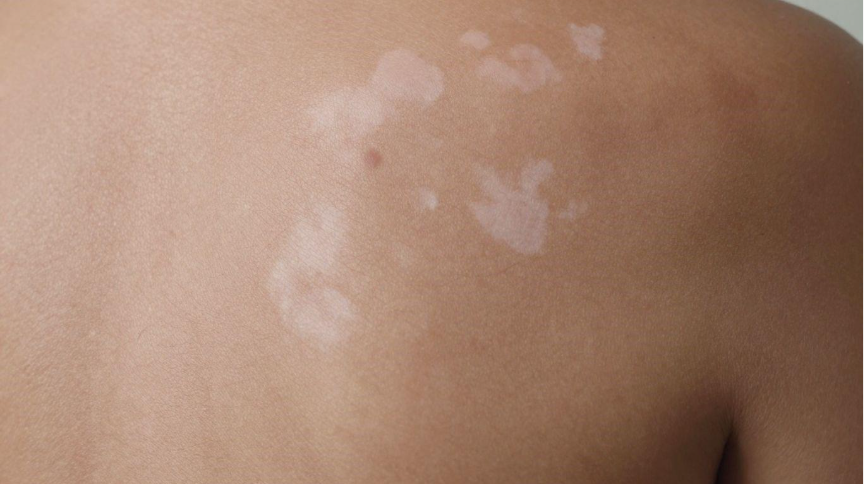
Vitiligo is a skin condition that affects how skin gets its color. It happens when the cells that make pigment, called melanocytes, stop working or die off. This leads to patches of skin losing their color. While it's not a serious health risk, it can be tough emotionally. Let's explore what might cause it, how it's diagnosed, and what can be done to manage it.
Key Takeaways
- Vitiligo is thought to be an autoimmune condition where the body's immune system attacks its own pigment-producing cells.
- While the exact cause isn't fully understood, genetics, stress, and sun exposure might play a role in what causes vitiligo in adults and children.
- Diagnosing vitiligo usually involves a doctor looking at the skin, sometimes using a special light, and reviewing medical history.
- Treatment options aim to restore or stabilize pigment, including topical medications, light therapy, and sometimes surgery.
- Support, whether from friends, family, or groups, is important for dealing with the emotional impact of vitiligo.
What Is Vitiligo?
Vitiligo, pronounced "vit-ih-LIE-go," is a condition where patches of skin lose their natural color, appearing lighter or completely white. This happens because the cells that produce melanin, the pigment giving skin and hair its color, are destroyed or stop working. These discolored areas are medically termed macules if they are small (less than 1 centimeter) or patches if they are larger. If vitiligo affects areas with hair, that hair might turn white or gray.
It's important to know that vitiligo affects people of all races and genders equally. However, the lighter patches can be more noticeable on individuals with darker skin tones. While it can appear at any age, it often becomes apparent before the age of 30. Vitiligo is not a life-threatening or contagious condition, but it can certainly impact how a person feels about themselves.
Vitiligo can manifest in different ways:
- Generalized Vitiligo: This is the most common type, where discolored patches appear on many parts of the body, often symmetrically.
- Segmental Vitiligo: This type typically affects only one side or one part of the body and often appears at a younger age, usually progressing for a year or two before stabilizing.
- Localized (Focal) Vitiligo: This involves one or just a few small areas.
- Acrofacial Vitiligo: This type specifically affects the face and hands, as well as areas around the eyes, nose, and mouth.
- Universal Vitiligo: In rare cases, the discoloration can affect nearly all skin surfaces.
Beyond the skin, vitiligo can also affect the hair, eyes, and the moist lining of the mouth and nose (mucous membranes).
What Causes Vitiligo?
The exact reason why vitiligo happens isn't fully understood yet, but it's thought to be a complex issue. For many people, it seems to be an autoimmune condition. This means the body's own immune system, which is supposed to protect you from germs, mistakenly attacks the cells that give your skin its color. These color-making cells are called melanocytes.
It's like the immune system gets confused and sees these healthy melanocytes as foreign invaders, then destroys them.
Several factors can play a role in what causes vitiligo in adults and children:
- Autoimmune Response: As mentioned, this is a leading theory. The immune system attacks melanocytes.
- Genetics: There's a hereditary component. About 20% of people with vitiligo have a close family member with the condition. Researchers have identified over 30 genes that might make someone more susceptible.
- Triggers: Sometimes, vitiligo might appear or spread after certain events. These can include:
- Significant stress (physical or emotional)
- Sunburn
- Skin injuries like cuts or scrapes
- Exposure to certain chemicals
While we don't know precisely what triggers vitiligo to spread in every case, these factors are often considered. It's important to remember that vitiligo is not contagious, and it doesn't typically cause physical pain. However, understanding these potential causes and risk factors can be a helpful step in managing the condition.
How Vitiligo Is Diagnosed
Figuring out if you have vitiligo usually starts with a visit to a dermatologist. They'll take a good look at your skin, paying close attention to any patches that have lost their color. Often, these patches are a milky-white color and have pretty clear edges.
To get a better view, especially of subtle changes or to help tell vitiligo apart from other skin conditions, a dermatologist might use a special tool called a Wood's lamp. This lamp emits ultraviolet light, which can make vitiligo patches stand out more clearly. Sometimes, they might also use a dermatoscope, which is like a magnifying glass for the skin.
Your doctor will also ask about your medical history and any symptoms you've noticed. Because vitiligo is an autoimmune condition, meaning your body's immune system mistakenly attacks its own pigment-producing cells, they might recommend blood tests. These tests can help check for other autoimmune conditions, like thyroid disease, that sometimes go along with vitiligo.
The goal of the diagnosis is to confirm vitiligo, understand its type and extent, and rule out other conditions that might look similar. This information is key to creating the right plan for you.
Based on all this information, your dermatologist can make a diagnosis and then discuss the next steps, including whether treatment is something you'd like to pursue.
Vitiligo Treatment Options: What Can Help Restore or Stabilize Pigment
When it comes to managing vitiligo, the goal is often to bring back some of the lost skin color or at least stop the patches from spreading further. It's important to remember that treatments can take a good while to show results, and what works for one person might not be the best fit for another. Your dermatologist will likely start with the gentlest options and adjust as needed.
There isn't a cure for vitiligo, but several approaches can help.
Here are some of the ways dermatologists help patients:
- Topical Medications: For those with recently developed vitiligo, prescription creams and ointments, particularly corticosteroids, can be quite effective. These are applied directly to the skin at home and aim to restore lost pigment. Sometimes, combining these with vitamin D applied to the skin might help prevent further breakdown of pigment-producing cells.
- Phototherapy (Light Therapy): This involves exposing the skin to specific types of ultraviolet (UV) light under controlled conditions. It's a common treatment that can help bring back color over time. Different types exist:
- Narrowband UVB (nbUVB): This is often the go-to for widespread vitiligo. It's generally well-tolerated and can lead to good color matching. It's often considered safe for children and nursing individuals.
- Excimer Laser: This uses a similar light wavelength to nbUVB but is more focused. It's typically best for smaller patches of skin.
- PUVA (Psoralen plus UVA): This treatment combines a light-sensitizing medication called psoralen (taken orally or applied to the skin) with UVA light. It's usually done in a clinical setting and can be effective for larger areas, though it might not work as well on hands and feet.
- Surgical Procedures: In some cases, when phototherapy or topical treatments aren't enough, surgical options might be considered. These can involve transplanting small pieces of pigmented skin from one area of the body to the depigmented areas. This is usually reserved for stable vitiligo that hasn't spread for a while.
- Depigmentation Therapy: This is a less common approach, usually considered when vitiligo affects a very large portion of the body and repigmentation isn't a realistic goal. It involves using creams to gradually remove the remaining pigment from the unaffected skin, creating a more uniform, lighter skin tone. This process can take several years and is a permanent decision.
It's important to understand that treatment results can vary significantly. Some people see a good return of color, while for others, the goal is simply to stabilize the condition and prevent further spread. Patience is key, as it can take months or even years to see noticeable changes.
For those who prefer not to pursue medical treatments to restore pigment, or while waiting for treatments to take effect, options like camouflage makeup, self-tanners, and skin dyes can help even out skin tone quickly. These products can offer immediate cosmetic improvement and boost confidence.
Support Strategies That Improve Quality of Life
Living with vitiligo can bring about challenges that go beyond the physical skin changes. Many people find that focusing on support strategies can make a real difference in their day-to-day lives. It's not just about managing the condition itself, but also about how it affects your feelings and interactions.
Finding ways to cope and feel good about yourself is just as important as any medical treatment.
Here are some approaches that can help:
- Sun Protection: The areas of skin affected by vitiligo don't have pigment, which means they can burn more easily in the sun. Using a sunscreen with an SPF of 30 or higher whenever you go outside is a good idea. This helps prevent sunburn and reduces the risk of skin cancer in those sensitive spots. It also helps keep the skin tone more even, as tanned skin can make the lighter patches stand out more.
- Cosmetic Camouflage: For many, using makeup or specialized skin products can be a simple yet effective way to feel more confident. Products like skin-colored concealers, foundations, or even specific camouflage creams can be applied to the affected areas to blend them with the surrounding skin. There are many options available, and finding the right ones can help you feel more comfortable in social situations.
- Connecting with Others: You're definitely not alone in this. Joining a support group, whether online or in person, can be incredibly helpful. Sharing experiences with others who understand what you're going through can reduce feelings of isolation. These groups often provide practical tips and emotional encouragement.
- Stress Management: Stress can sometimes play a role in skin conditions, and managing it can contribute to overall well-being. Trying out relaxation techniques like deep breathing exercises, meditation, gentle yoga, or even just spending time on hobbies you enjoy can make a positive impact. Finding what helps you relax is key.
- Education and Awareness: Learning as much as you can about vitiligo can be empowering. Understanding the condition, its causes, and treatment options can help you feel more in control. Sometimes, educating friends and family can also help them understand and be more supportive.
Focusing on these support strategies can significantly improve your quality of life while living with vitiligo. It's about building a toolkit of coping mechanisms that address both the visible aspects of the condition and the emotional well-being that comes with it.
Moving Forward with Vitiligo
Vitiligo is a condition that affects the skin's color, and while the exact reasons behind it aren't fully understood, it's thought to be an autoimmune issue. It's not contagious, and most people with vitiligo are otherwise healthy. Treatments like light therapy, topical medications, and sometimes surgery can help bring back skin color or make the appearance more even, but they take time and don't always offer a permanent fix. It's also really important to remember that living with vitiligo can be tough emotionally. Finding a good support system, whether it's friends, family, or support groups, can make a big difference. Taking care of your skin, like using sunscreen, is also key. If you're dealing with vitiligo, talking openly with your doctor about treatment options and emotional support is the best way to manage it.
Frequently Asked Questions
- Is Vitiligo contagious?
No, Vitiligo is not something that can be spread from person to person. It is considered an autoimmune condition, meaning the body's own defense system is involved. - What is the main cause of Vitiligo?
The exact reason why Vitiligo happens isn't fully understood, but scientists believe it's an autoimmune issue. This means the body's immune system mistakenly attacks and destroys the cells that create skin color, called melanocytes. - Can Vitiligo be cured?
Currently, there is no known cure for Vitiligo. However, there are treatments available that can help bring back some color to the skin or stop the patches from spreading further. These treatments might need to be used for a long time. - How do doctors diagnose Vitiligo?
Doctors usually diagnose Vitiligo by looking at the skin's appearance, noting the characteristic white or light-colored patches. They might use a special light called a Wood's lamp to see the patches more clearly and to rule out other skin conditions. - Does Vitiligo affect more than just the skin?
While Vitiligo primarily affects the skin by causing loss of pigment, some people with Vitiligo may also have other autoimmune conditions. It's important for doctors to check for these other potential health issues. - What can help someone cope with Vitiligo?
Living with Vitiligo can sometimes be tough emotionally due to how society views skin appearance. Finding support from friends, family, or joining a support group can make a big difference. Talking to a therapist can also help manage feelings of embarrassment or sadness.
Blog Post Author

Contributed by Market Igniter
Market Igniter provides relevant content to help providers educate patients. The statements, services, and products referenced in this article have not been evaluated by the Food and Drug Administration, and they are not intended as a substitute for professional medical advice, diagnosis, or treatment. Always seek the advice of your provider with any questions or issues you may have. Specific recommendations may vary in different circumstances, so individual consultation is important.