
What Are Skin Moles? Causes, Types, and When to See a Dermatologist?
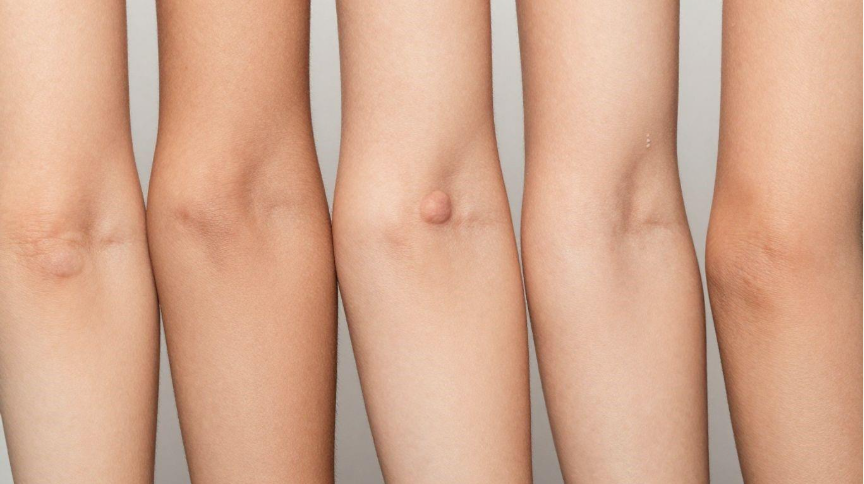
Skin moles are pretty common, and most people have a few. They show up when pigment cells in the skin, called melanocytes, decide to hang out together instead of spreading out. While many moles are just part of the scenery, it's good to know what to look for. This article will help you understand what moles are, why they appear, the different kinds you might see, and when it's time to get a professional opinion from a dermatologist.
Key Takeaways
- Most moles are harmless, but it's important to know their appearance and location to spot changes.
- Sun exposure is a major factor in mole development and can increase skin cancer risk.
- New moles appearing after age 40 or 50, or moles that change significantly, warrant a dermatologist's evaluation.
- The ABCDEs (Asymmetry, Border, Color, Diameter, Evolving) are helpful guidelines for identifying potentially concerning moles.
- Regular self-checks and annual professional skin exams are recommended for early detection of skin cancer.
What Are Skin Moles? A Closer Look
Skin moles, also known as nevi (singular: nevus), are very common growths that appear on the skin. In fact, most people have them, often numbering between 10 and 40 across their body. These spots develop when pigment-producing cells, called melanocytes, grow in a cluster instead of spreading out evenly across the skin.
Moles can show up just about anywhere on your body, including places you might not easily see, like your scalp, the palms of your hands, or even under your fingernails and toenails. They typically start appearing during childhood and adolescence and can continue to develop and change in size and color as you get older.
Most moles are harmless and are considered normal skin features. They can vary quite a bit in appearance. Generally, a typical mole is round or oval, with a smooth border, and is usually smaller than a pencil eraser (about 6 millimeters or 1/4 inch across). They often have a consistent color, typically a shade of tan, brown, or pink, and can be flat or slightly raised.
It's helpful to get familiar with what your own moles look like. This way, you'll be better equipped to notice if any changes occur over time.
Understanding the basics of what moles are and how they typically appear is the first step in keeping an eye on your skin's health. Knowing your own skin helps you spot anything unusual more easily.
While moles are common, it's important to distinguish them from other skin spots like freckles or skin tags. Freckles are usually flat and often appear in sun-exposed areas, while skin tags are small, soft flaps of tissue that hang off the skin. Moles, on the other hand, are distinct growths that can be flat or raised and have specific characteristics to watch for.
What Causes Skin Moles to Develop?
Skin moles, also known as nevi, are pretty common. Most people have them, and they pop up when pigment-producing cells in your skin, called melanocytes, grow in a cluster instead of spreading out evenly. Think of it like a little group of cells deciding to hang out together.
These clusters can appear on your skin at different times. Some people are born with moles, which are called congenital moles. For most of us, though, moles show up later in life, usually during childhood and adolescence. These are called acquired moles, and it's normal to have quite a few of them – anywhere from 10 to 40 is typical. As you get older, these moles might grow a bit or even change in color, getting lighter or darker.
The exact reason why melanocytes clump together isn't always clear, but genetics plays a big role. If moles run in your family, you're more likely to develop them too. Another major factor is sun exposure. Spending a lot of time in the sun, especially if you've had bad sunburns, can increase the number of moles you get. This is why it's a good idea to protect your skin, no matter the season.
Here's a quick rundown of what influences mole development:
- Genetics: If your parents or siblings have moles, you probably will too.
- Sun Exposure: UV radiation from the sun or tanning beds can trigger mole formation.
- Hormonal Changes: Sometimes, changes during puberty or pregnancy can affect mole appearance or lead to new ones.
It's worth noting that while most moles are harmless, certain factors can increase the risk of developing more unusual moles or even skin cancer. Having a lot of moles, or moles that look different from others, are things to keep an eye on.
Different Types of Skin Moles
Skin moles, medically known as nevi, are quite common, and most people have them. They form when pigment-producing cells, called melanocytes, grow in clusters instead of spreading out evenly across the skin. While many moles look similar, there are several types, and understanding them can be helpful. It's important to know what your moles look like so you can spot changes.
Moles can be categorized in a few ways, often based on when they appear and their characteristics. Here's a look at some common types:
- Congenital Moles: These are moles you are born with. They can vary greatly in size, from very small to quite large. Having a large congenital mole might increase the risk of developing melanoma later on.
- Common Moles (Acquired Nevi): These are the moles that appear on the skin after birth. Most people have between 10 and 40 of these. They are typically small, round or oval, with smooth borders and an even color. They can be flat or raised.
- Atypical Moles (Dysplastic Nevi): These moles are often larger than a pencil eraser, have irregular shapes, and may show more than one color (like shades of tan, brown, red, or pink). While they might resemble melanoma, they are not cancerous themselves. However, having many atypical moles can mean a higher risk for developing melanoma.
- Spitz Nevi: This type of mole can sometimes look very similar to melanoma, making it difficult to distinguish even for a professional just by looking. They are often pink, raised, and dome-shaped, but can also have multiple colors and may even bleed or ooze.
It's also useful to know The Difference Between Moles, Freckles, and Age Spots. Freckles are typically flat, small spots that appear on sun-exposed areas and are often genetic. Skin tags are small, soft flaps of tissue that hang off the skin and are not cancerous. Moles, on the other hand, are growths of melanocytes and can be flat or raised, with varying colors and shapes. Regular self-checks are key to noticing any changes in your moles, and you can find more information on mole checks at common mole types.
While most moles are harmless, paying attention to their appearance and any changes is a good habit. Knowing the basics of what to look for can help you feel more confident about your skin health.
Here's a quick comparison of common moles and atypical moles:
- Feature
- Common Mole
- Atypical Mole (Dysplastic Nevus)
- Size
- Usually less than 5 mm (pencil eraser)
- Often wider than 5 mm
- Shape
- Round or oval, distinct edges
- Irregular or notched edges, asymmetrical
- Color
- Evenly colored (tan, brown, black, pink)
- Mixed colors (tan, brown, red, pink), uneven
- Surface
- Smooth, may be flat or slightly raised
- Can be smooth, scaly, rough, or pebbly; may change
- Cancer Risk
- Very low; rarely becomes cancerous
- Higher risk than common moles; may become cancerous
How Skin Moles Can Change Over Time
Moles are not static features on the skin—they can shift in appearance or even feel over the years. A mole may darken, lighten, become raised, or its borders may blur as a person grows older. Sometimes, a mole that was flat in childhood may become more prominent or even sprout a few hairs, which is generally harmless.
Sun exposure is a big factor in how moles change. People with a history of long hours in the sun, or frequent sunburns, might notice their moles darkening faster, or developing an uneven pigmentation. This links to the keyword How Sun Exposure Affects Moles and Skin Cancer Risk, since ultraviolet (UV) rays can bring on changes in the skin’s pigment cells, making old moles more pronounced, or even causing new ones to develop.
Aging also plays a part. Some moles fade away, while others may grow slightly or change color. This can be more noticeable during hormonal shifts—teens often see new moles pop up, pregnant women might observe existing moles getting darker, and people may notice new moles after age 50. That's an important detail, since “New moles after age 50” are more likely to need medical attention.
Here's a quick guide to changes that deserve a closer look:
- Rapid growth or noticeable size change
- Changes in color, especially new shades or uneven tones
- Irregular borders or a suddenly jagged edge
- Itching, bleeding, oozing, or becoming tender
- Significant elevation or a very different texture
Keeping track of mole changes is a good habit—minor shifts are common, but sudden or dramatic changes are not. It’s especially worth watching for any new mole in adulthood, or a pre-existing mole that starts to look very different. This leads to the question: "When Does a Mole Become a Warning Sign of Skin Cancer?" Any concerns about these changes should prompt a check-up to rule out risks and for peace of mind.
Warning Signs: When a Mole May Need Evaluation
Most people have a few moles, but not all moles are the same—and some changes can signal something more serious. Noticing the right warning signs is key to catching issues early and protecting your skin health. Wondering, "Are Moles Dangerous? Signs You Should Never Ignore"? Here’s how to spot the red flags:
- Change in Size, Shape, or Color: Any rapid change in a mole’s appearance can be a warning sign, especially if it suddenly gets bigger, changes shape, or the color becomes uneven (like shades of black, brown, blue, white, or red).
- Irregular Borders: Moles with jagged, blurry, or rough edges need a closer look.
- New Mole After Age 40: Should You Be Concerned?: It’s unusual for new moles to show up after your 40s. If you spot one, it’s smart to get it checked.
- Symptoms Like Itching, Bleeding, or Pain: These aren’t typical for normal moles. Persistent signs like these should never be ignored.
- “Ugly Duckling” Sign: If one mole looks noticeably different from your others, it stands out for a reason and should be examined.
- Feature
- Warning Sign
- A – Asymmetry
- One half doesn’t match the other
- B – Border
- Irregular, jagged, or blurred edges
- C – Color
- More than one color, or color changes
- D – Diameter
- Larger than a pencil eraser (about 6mm)
- E – Evolving
- Any recent change in look or sensation
Nobody likes feeling anxious about their skin, but being careful with moles is worth it. A quick check can mean peace of mind—or finding a problem while it’s easier to treat.
If any of these points ring a bell, making an appointment is a step you won’t regret. Don’t put off having an unusual mole evaluated, especially if it popped up later in life or started behaving differently than your others.
Wrapping Up: Your Moles and Your Health
So, moles are a pretty normal part of having skin, and most of them are nothing to worry about. They come in all sorts of shapes and sizes, and knowing what's typical for you is key. Keep an eye on them, especially if you notice any changes like a new one popping up or an old one shifting in color, size, or shape. If anything seems off, or if a mole is bothering you, don't hesitate to reach out to a dermatologist. They're the experts who can check things out, give you peace of mind, and handle any necessary treatments. Taking a moment each month to look over your skin is a simple step that can make a big difference in staying healthy.
Frequently Asked Questions
What exactly is a skin mole?
A skin mole, also known as a nevus, is a common growth on the skin. It happens when pigment cells, called melanocytes, grow in a group instead of spreading out. Most moles are harmless and appear as small, colored spots on the skin.
Why do people get moles?
Moles develop when skin pigment cells cluster together. While some moles are present from birth (congenital moles), most appear later in life, often during childhood and teenage years. Factors like genetics and sun exposure can play a role in how many moles a person develops.
Are all moles the same?
No, moles come in various shapes, sizes, and colors. Some are flat, while others are raised. They can be brown, black, tan, or even skin-colored. It's important to know what your moles look like because some types can be more concerning than others.
When should someone be concerned about a mole?
It's wise to see a dermatologist if a mole changes in any way. This includes changes in its size, shape, color, or if it starts to itch, bleed, or become painful. The ABCDEs of melanoma (Asymmetry, Border irregularity, Color variation, Diameter larger than a pencil eraser, and Evolving changes) are helpful signs to watch for.
How often should moles be checked?
It's recommended to check your skin for new or changing moles once a month. This helps you become familiar with your skin. Additionally, having a yearly skin check by a dermatologist is important, especially if you have many moles or other risk factors for skin cancer.
Can moles be removed?
Yes, moles can be removed. While most moles don't need removal, they can be taken off for cosmetic reasons or if they cause discomfort. A dermatologist can remove moles safely through procedures like excision or shaving. It's best to have moles removed by a professional, as they can also check the mole for any signs of cancer.
Blog Post Author

Contributed by Market Igniter
Market Igniter provides relevant content to help providers educate patients. The statements, services, and products referenced in this article have not been evaluated by the Food and Drug Administration, and they are not intended as a substitute for professional medical advice, diagnosis, or treatment. Always seek the advice of your provider with any questions or issues you may have. Specific recommendations may vary in different circumstances, so individual consultation is important.