
Warning Signs of Melanoma You Should Never Ignore
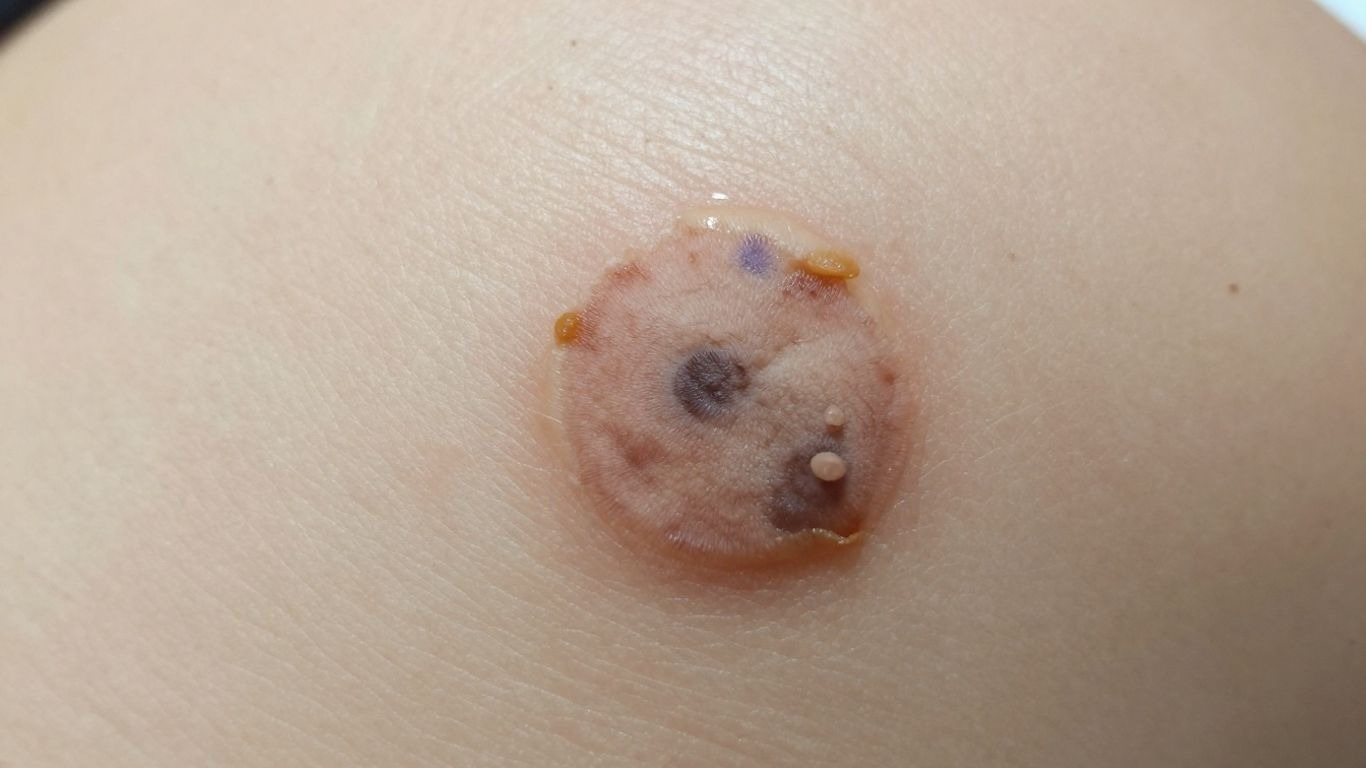
When it comes to your skin, paying attention to changes is super important. Most of the time, those little spots and moles are totally harmless, but sometimes, they can be a sign of something more serious, like melanoma. It's really about knowing what to look for so you can catch it early. Because the sooner you spot it, the better your chances are for treatment. So, what are the warning signs of melanoma you should never ignore?
How early can melanoma warning signs appear on the skin?
Honestly, melanoma can pop up pretty early. You don't have to wait until you're older to start checking your skin. While it's more common in adults, especially those who've had a lot of sun exposure over the years, it can appear on anyone at any age. Sometimes, a new mole can show up, or an existing one might start changing. The key is that it's a change from what was there before. So, even if you're young, it's a good habit to get into checking your skin regularly.
Don't dismiss a new spot just because you're young or haven't spent much time in the sun. Melanoma can be sneaky and appear when and where you least expect it. Regular self-checks are your best defense.
Here are some things to keep an eye out for:
- New moles: Especially if they appear after age 40.
- Changing moles: Any mole that looks different from your other moles or changes in size, shape, or color.
- Unusual spots: Moles or lesions that just seem 'off' compared to the rest of your skin.
It's not about freaking out over every little freckle, but about being aware of your skin and noticing when something deviates from the norm. If you see something that makes you pause, it's worth getting it checked out.
Early Melanoma Warning Signs — What to Look for First
Okay, so you're wondering what the first signs of melanoma might be. It's not always a dramatic, dark spot that screams "cancer!" Sometimes, it's a bit more subtle. The key thing to remember is that melanoma can pop up anywhere, but it often shows up on parts of your body that get a lot of sun. Think your arms, legs, back, and face. But don't forget those less obvious spots like your palms, soles of your feet, or even under your nails – melanoma can hide there too.
Where on the body does melanoma most commonly appear?
Melanoma tends to show up where the sun has had the most impact over time. This means areas that are frequently exposed to UV rays are prime real estate for it to develop. While it's most common on the trunk (back for men, legs for women) and arms and legs, it's super important to remember that it can appear anywhere. Even places you might think are protected, like your scalp or genitals, aren't totally immune. So, a full body check is really the way to go.
Here's a quick rundown of common spots:
- Arms and Legs: These are classic spots due to sun exposure.
- Torso: The back is a frequent location, especially for men.
- Face and Neck: Sun-kissed areas that often get direct light.
- Under Nails: Melanoma here can look like a dark streak.
- Palms and Soles: Less common, but definitely possible, especially in certain skin types.
The most important thing is to know your own skin. What looks normal for you might be a warning sign for someone else. If a spot is new, changing, or just looks 'off' compared to everything else, that's when you need to pay attention.
So, what are the early melanoma warning signs you should really keep an eye on? It's all about noticing changes. A mole that starts to look different from your other moles is a big clue. This is sometimes called the "ugly duckling" sign. If you have a bunch of moles that look pretty similar, and then one pops up that's totally different in shape, color, or size, that's worth getting checked out. Don't just dismiss it because it's small or doesn't look like a typical dark mole. Early detection makes a huge difference.
Melanoma Symptoms ABCDE Rule Explained Simply
Okay, so you've heard about checking your skin for weird spots, right? It can feel a bit overwhelming, but there's a super handy way to remember what to look for. It's called the melanoma symptoms ABCDE rule explained simply, and it's basically a checklist to help you spot anything suspicious. Think of it as your personal mole-detective guide.
How do you use the ABCDE rule to check your own skin?
This rule is your best friend when it comes to self-exams. You just go down the list for any mole or spot you're checking. If a mole fits even one of these descriptions, it's time to get it looked at by a doctor. Don't wait around and wonder.
Here's the breakdown:
- A - Asymmetry: Imagine drawing a line down the middle of the mole. If the two halves don't match up, that's asymmetry. Normal moles are usually pretty symmetrical, like a little coin.
- B - Border: Take a peek at the edges. Are they smooth and even, or are they jagged, fuzzy, or irregular? Melanomas often have weird, uneven borders.
- C - Color: Most moles are one shade of brown. If a mole has different colors – like shades of brown, tan, black, or even patches of red, white, or blue – that's a red flag. Uneven color is a big clue.
- D - Diameter: Generally, if a mole is bigger than a pencil eraser (about 6 millimeters or ¼ inch across), you should pay attention. However, melanomas can be smaller, so don't rule something out just because it's tiny.
- E - Evolving: This is a super important one. Is the mole changing? That means changing in size, shape, color, or even how it feels (like if it starts itching, bleeding, or gets crusty). Any change over weeks or months is worth checking out.
Remember, this isn't about scaring yourself. It's about being aware. Most moles are totally fine, but knowing these signs helps you catch the ones that aren't.
So, when you're doing your monthly skin check, just go through these five points for each mole. If anything seems off, make that appointment. It's way better to be safe than sorry when it comes to your skin health.
How to Identify Melanoma on Skin vs a Normal Mole
So, you're wondering how to tell if that new spot on your skin is just a regular mole or something more serious, like melanoma. It's a really common question, and honestly, it's smart to be aware. Most of us have moles, and the vast majority are totally harmless. But sometimes, a mole can change, or a new one can pop up that needs a closer look. The key is to know what to look for, and that's where understanding the differences comes in handy.
Think of it like this: most normal moles are pretty chill. They tend to be the same color all over, have smooth edges, and are generally symmetrical. If you were to draw a line down the middle, both sides would look pretty similar. They also usually stay the same size and shape over time. Easy enough, right?
Melanoma, on the other hand, is often the odd one out. It's like the 'ugly duckling' of moles – it just looks different from everything else on your body. This is a big clue. If you have a bunch of moles that are all small and brown, and then one pops up that's huge and black, or has weird edges, that's your cue to pay attention.
Here's a breakdown of what to watch for:
- Shape: Normal moles are usually round or oval. Melanoma spots are often irregular. If you cut it in half, the two halves won't match.
- Edges: Most regular moles have smooth, clear borders. Melanoma can have fuzzy, notched, or uneven edges. They might look a bit smudged.
- Color: A typical mole is usually one shade of brown. Melanoma can have a mix of colors – think different shades of brown, tan, black, and sometimes even red, white, or blue.
- Size: While many melanomas are larger than a pencil eraser (about 6 millimeters or ¼ inch across), they can be smaller, especially when caught early. So, size isn't the only factor, but it's something to note.
- Changes: This is a big one. If a mole is changing in any way – getting bigger, changing color, changing shape, or even starting to itch or bleed – that's a serious red flag. Normal moles usually stay pretty consistent.
When you're checking your skin, don't just look at the obvious spots. Use a mirror to check your back, scalp, and other hard-to-see areas. If you have a partner or a trusted friend, ask them to help you check those tricky spots. It's better to be thorough than to miss something important.
If you notice a spot that fits any of these descriptions, especially if it's new or has changed, don't just brush it off. It's always best to get it checked out by a doctor or dermatologist. They have the tools and knowledge to tell for sure, and catching melanoma early makes a huge difference in treatment and outcomes.
Melanoma vs Normal Mole Differences — A Visual Guide
So, how do you tell if that new mole or spot on your skin is just a regular mole or something more serious, like melanoma? It can be tricky, but there are some key melanoma vs normal mole differences to keep an eye on. Think of it like this: most normal moles are pretty chill, while melanoma tends to be a bit of a drama queen.
The biggest thing to remember is that if a mole looks different from all the others on your body, it's worth getting checked out. We often call these the "ugly ducklings" of the mole world.
Here’s a breakdown of what to look for:
- Shape: Normal moles are usually round or oval and symmetrical. If you drew a line down the middle, both sides would look pretty much the same. Melanoma, on the other hand, is often asymmetrical. One half just doesn't match the other.
- Edges: Most regular moles have smooth, well-defined borders. Melanoma edges can be irregular, meaning they might be notched, blurred, scalloped, or just generally not neat.
- Color: A typical mole is usually one shade of brown or tan. Melanomas can have a mix of colors – think different shades of brown, tan, black, and sometimes even red, white, or blue. The color might not be spread out evenly either.
- Size: While many melanomas are larger than a pencil eraser (about 6 millimeters or ¼ inch), they can sometimes be smaller, especially when caught early. So, size alone isn't the only factor, but it's something to note.
- Changes (Evolving): This is a big one. Normal moles usually stay the same over time. If a mole starts changing in size, shape, color, or even how it feels (like becoming itchy or tender), that's a red flag. Any new mole that appears, especially after age 40, should also get attention.
It's not just about what you see, but also what you feel. A mole that starts to itch, bleed, or feel painful without any reason is a sign that something might be wrong and needs a doctor's look.
Think of the ABCDE rule as your personal mole-checking guide. It's a simple way to remember the main differences between a harmless mole and a potentially dangerous one. If you notice any of these signs, don't wait around – get it checked by a dermatologist.
So, What's the Takeaway?
Look, nobody wants to think about skin cancer, but it's just a fact of life, especially if you love being outdoors. The good news is, most of the time, those weird spots or moles are totally fine. But when they're not, catching them early makes a massive difference. So, get to know your skin, do those monthly checks, and if something looks or feels off – seriously, don't just brush it aside. That little bit of extra attention could be a really big deal for your health down the road. It’s better to be safe than sorry, right?
Frequently Asked Questions
How soon can signs of melanoma show up on my skin?
Melanoma can appear quite early. Sometimes, a new spot or mole can show up, or an existing one can change. It's important to remember that even young people can develop melanoma, so checking your skin regularly is key, no matter your age.
Where does melanoma usually show up on the body?
Melanoma often shows up on parts of your body that get a lot of sun, like your face, arms, back, and legs. However, it can sometimes pop up in places you wouldn't expect, such as under your nails, on the soles of your feet, or even on your palms.
How can I use the ABCDE rule to check my skin?
The ABCDE rule is a simple guide to spot suspicious moles. 'A' stands for asymmetry (one half doesn't match the other). 'B' is for border (edges are uneven). 'C' is for color (it has different colors). 'D' is for diameter (it's bigger than a pencil eraser). 'E' is for evolving (it's changing in size, shape, or color). If a mole shows any of these signs, it's best to get it checked.
What makes a mole look dangerous compared to a normal one?
Normal moles usually look the same on both halves, have smooth edges, and are one color. A dangerous mole, or melanoma, might be lopsided, have jagged or blurry edges, be many different colors, or change over time. It's also worth noting if a mole looks completely different from all your other moles – sometimes called an 'ugly duckling'.
What if I find a spot that doesn't look like a mole but is still worrying?
You don't have to have a lot of moles to get melanoma. A new spot that appears after age 40, a sore that won't heal, a mole that bleeds without being hurt, or a dark streak under a fingernail or toenail are all signs that need to be looked at by a doctor, even if they don't look like a typical mole.
When should I see a doctor about a skin spot?
It's always a good idea to see a doctor if you're unsure about a mole or skin spot. However, you should definitely make an appointment if a spot is changing rapidly, bleeding without any injury, looks different from your other moles, or if you notice a new dark streak under a nail. Don't wait if something feels or looks wrong.
Blog Post Author

Contributed by Market Igniter
Market Igniter provides relevant content to help providers educate patients. The statements, services, and products referenced in this article have not been evaluated by the Food and Drug Administration, and they are not intended as a substitute for professional medical advice, diagnosis, or treatment. Always seek the advice of your provider with any questions or issues you may have. Specific recommendations may vary in different circumstances, so individual consultation is important.