Silagen Scar Gel: How It Helps Minimize Scarring After Surgery
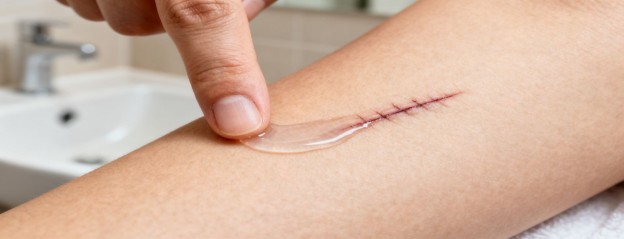
Once a surgical wound has closed, many patients want to know what they can actually do to help a scar heal as well as possible. At Yellowstone Dermatology Associates, Dr. Eric Maranda, MD, FAAD and our team recommend Silagen scar gel for many post-surgical and Mohs surgery patients as part of a straightforward, evidence-informed scar care routine.
What Is Silagen Scar Gel?
Silagen is a 100% pure, medical-grade silicone gel designed for use on scars after a wound has fully closed and any sutures have been removed. It is formulated for post-procedure skin and for managing hypertrophic scars, keloids, burn scars, and other types of abnormal scarring. Because it is a lightweight topical gel rather than a bulky dressing, it fits easily into a normal daily routine.
Once applied, the gel dries quickly into a thin, flexible, waterproof silicone layer. That barrier helps maintain hydration at the scar site and creates a more favorable environment for the scar to mature, which may improve both its texture and appearance over time.
How Silagen Works
Silicone-based scar gels work by protecting the surface of a healing scar while helping prevent excessive moisture loss. This barrier can help flatten and soften raised scar tissue, reduce redness, and ease itching or discomfort that sometimes accompanies scar maturation. Our Silagen scar treatment line also includes a version with SPF 30, which helps protect new scar tissue from hyperpigmentation caused by sun exposure, since even brief incidental sun exposure can permanently darken an immature scar.
According to the American Academy of Dermatology, proper wound care can help minimize or even prevent some scarring, and a board-certified dermatologist can help determine which type of treatment is appropriate for a particular scar. Scar maturation itself is a gradual process; collagen reorganizes over weeks to months, and the color, texture, and visibility of a scar typically continue to change well after the wound has closed.
When to Start Using Silagen After Surgery
Silagen should only be applied once the skin is fully closed and any sutures have been removed. It should never be used on an open, draining, or unhealed wound. For most patients recovering from Mohs surgery or another surgical procedure, our team will let you know exactly when it is safe to begin, since timing depends on how your specific incision is healing.
How to Apply Silagen Scar Gel
| Step | What to Do |
|---|---|
| 1. Clean and dry | Make sure the scar area is clean, dry, and free of lotions, ointments, or powders |
| 2. Apply a thin layer | Gently massage a small amount of gel onto the scar, avoiding a thick or heavy coating |
| 3. Let it dry | Allow the gel to dry fully before applying sunscreen or other skin-care products |
| 4. Repeat consistently | Apply twice daily, typically for 8 to 12 weeks, or up to six months for scars prone to raised healing |
Consistency matters more than any single application. Skipping days or using the product only occasionally makes it harder to see meaningful improvement, since scar maturation responds best to a steady, uninterrupted routine.
What to Expect During Healing
Most patients begin to notice initial improvement in as little as three weeks, with more significant results typically visible after about 90 days. Early on, a scar may look pink, feel firm, or appear more noticeable than expected before it gradually softens and fades. This is a normal part of the healing timeline, and progress is rarely a straight line: one section of an incision may improve faster than another, and scars in areas with more movement or tension can behave differently than scars on flatter skin.
Topical scar care cannot erase a scar entirely, and outcomes vary based on genetics, skin type, the type of procedure performed, and how closely the aftercare routine is followed. Do not layer Silagen Silicone Gel + SPF 30 underneath Silagen silicone sheeting, since this can cause the sheeting to lose adhesion; our team can help you choose the right combination of products for your specific scar.
Who Should Consider Silagen Scar Gel?
Silagen is formulated for use on all skin types and is gentle enough to be considered safe for children. It may be a good option for patients recovering from Mohs surgery, other excisions, or procedures that leave a healed surgical scar, as well as for patients with a personal or family history of raised or keloid scarring who want to start a preventive routine as soon as it's safe to do so.
When to Contact Your Dermatologist
Reach out to our Billings office if you are unsure whether your incision has fully closed, if you recently had sutures removed and want a personalized start date for scar care, or if a scar becomes increasingly painful, raised, itchy, or discolored. Contact us sooner if you notice spreading redness, warmth, drainage, bleeding, or an incision that reopens, since these signs may indicate a wound complication rather than typical scar maturation.
Conclusion
Scar care is a gradual process that continues well after a wound has closed. For many patients, a consistent silicone gel routine like Silagen can support a smoother, less noticeable scar over time, especially when combined with sun protection and guidance from the clinician who performed the procedure. If you have questions about when to start scar treatment after your own procedure, you can book an appointment with our team to build a routine suited to your healing timeline.
Frequently Asked Questions
How soon after surgery can I start using Silagen?
You can begin once the skin is fully closed and any sutures have been removed. Never apply it to an open or unhealed wound.
How long does it take to see results?
Many patients notice initial changes in about three weeks, with best results typically seen after roughly 90 days of consistent use.
Can Silagen completely remove a scar?
No topical product can guarantee complete scar removal. Silicone-based gel may improve the appearance of many scars, but the scar may remain somewhat visible.
Is sunscreen important for a healing scar?
Yes. New scar tissue is especially prone to permanent darkening from sun exposure, so daily sun protection is an important part of the healing process once your clinician says it's safe to apply.
What if my scar becomes more painful or starts changing suddenly?
Increasing pain, spreading redness, warmth, or drainage should be evaluated promptly, since these can signal a complication rather than normal scar maturation.
About the Author
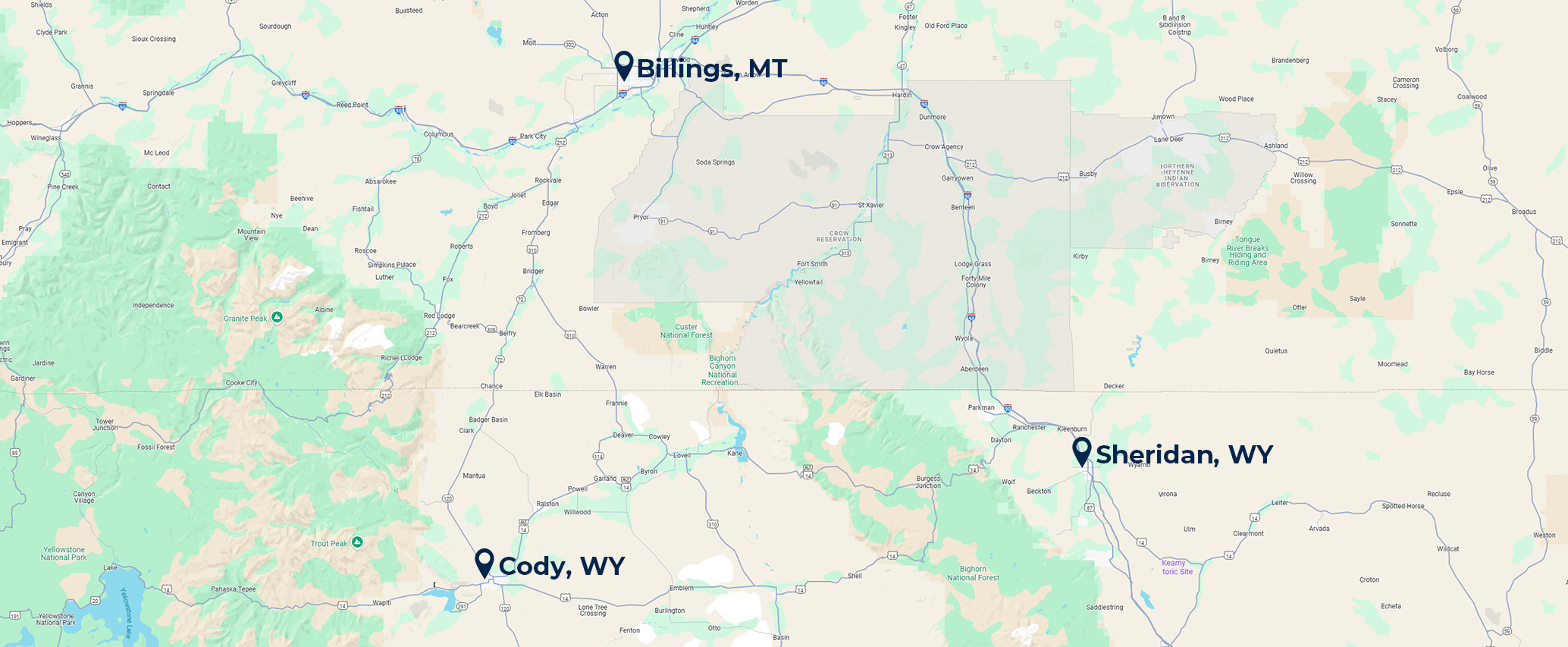
Yellowstone Dermatology Associates has locations in Billings, MT, Cody, WY, and Sheridan, WY, serving Billings, Laurel, Red Lodge, Cody, Miles City, Sheridan, and the surrounding Montana and Wyoming communities. The practice is led by Dr. Eric Maranda, MD, FAAD, a board-certified dermatologist and Mohs surgeon who trained in the Department of Dermatology and Cutaneous Surgery at the University of Miami Miller School of Medicine and is an active Fellow of the American Academy of Dermatology.
Medical Disclaimer
The information provided in this article is for educational purposes only and does not constitute professional medical or dermatologic advice, diagnosis, or treatment. The scar care routine appropriate for you can only be determined through an in-person evaluation. Always seek the advice of your dermatologist or other qualified health provider with any questions regarding scar treatment or wound healing. Never disregard professional advice or delay in seeking it because of something you have read here.
Blog Post Author

Contributed by Market Igniter
Market Igniter provides relevant content to help providers educate patients. The statements, services, and products referenced in this article have not been evaluated by the Food and Drug Administration, and they are not intended as a substitute for professional medical advice, diagnosis, or treatment. Always seek the advice of your provider with any questions or issues you may have. Specific recommendations may vary in different circumstances, so individual consultation is important.