How to Get Rid of Stubborn Acne
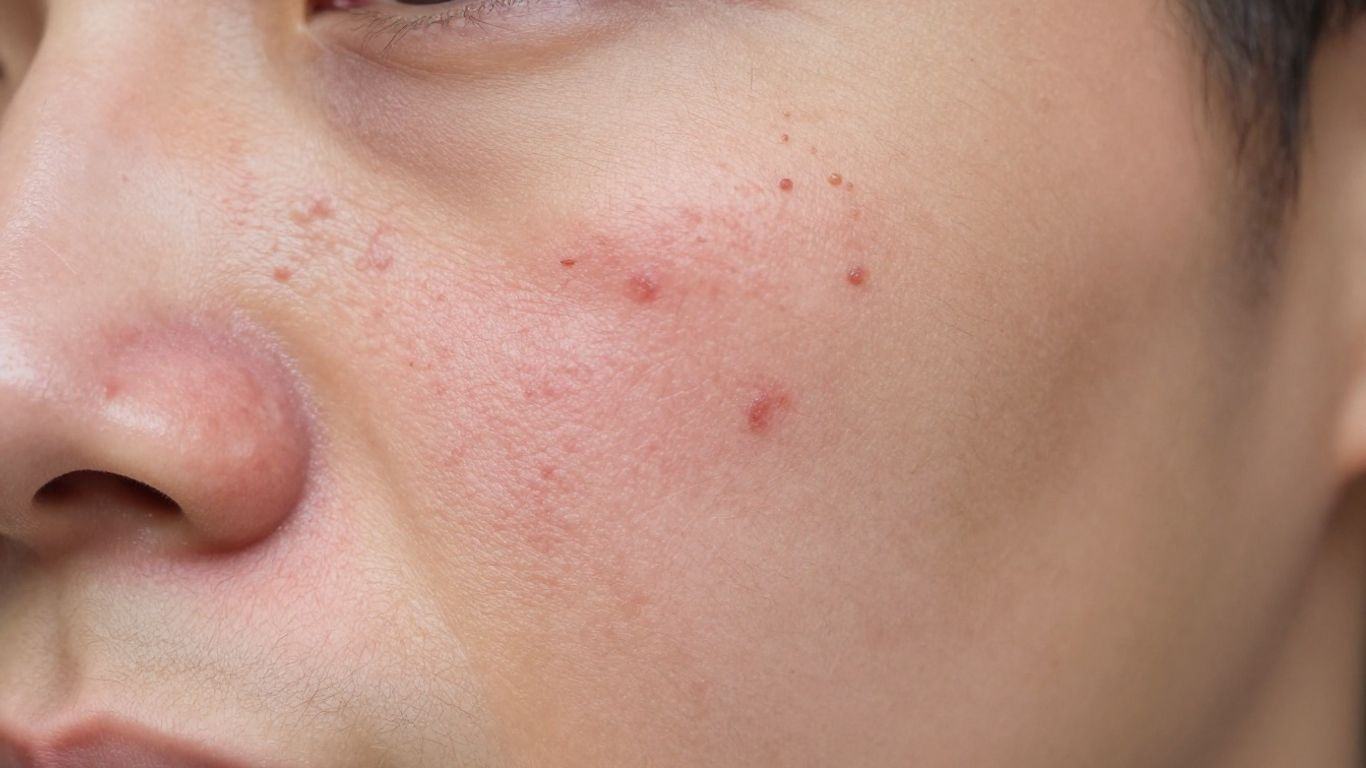
Dealing with acne that just won't quit can be super frustrating. You try different products, change your routine, but those stubborn spots keep popping up. It's like they have a mind of their own! If you're tired of battling persistent breakouts and wondering how to get rid of stubborn acne that won't go away, you're in the right place. We're going to break down why this happens and what you can actually do about it.
What’s Important to Know
- Persistent acne can stem from various factors including diet, hormones, and even your current skincare habits.
- Allow acne treatments at least 4 weeks to show results; switching products too often can irritate skin and worsen breakouts.
- Look for skincare products labeled 'non-comedogenic' or 'won't clog pores' to avoid aggravating acne.
- Avoid touching, picking, or popping pimples, as this can lead to inflammation, infection, and scarring.
- If over-the-counter treatments aren't working after 6-8 weeks, or if your acne is severe, consult a dermatologist for personalized advice and prescription options.
How to Get Rid of Stubborn Acne That Won't Go Away?
So, you've got that stubborn acne that just won't quit, no matter what you try. It's super frustrating, right? You feel like you've tried everything from drugstore creams to weird home remedies, and still, those pesky spots keep popping up. Don't throw in the towel just yet. Figuring out how to get rid of stubborn acne often comes down to a few key things, and sometimes, it just takes a bit more patience and the right approach.
Why does some acne keep coming back no matter what?
It can feel like your skin is playing tricks on you when acne just keeps showing up. There are a bunch of reasons why this happens. Sometimes, it's because the products you're using aren't quite cutting it, or maybe you're accidentally irritating your skin more, which just makes things worse. It could also be that you're not giving treatments enough time to actually do their job. Seriously, most acne treatments need at least four weeks to show any real difference. Switching products every few days is a common mistake that can actually make your acne flare up more because your skin gets stressed out.
- Not giving treatments enough time: Patience is key. Stick with a product for at least a month before deciding it doesn't work.
- Over-washing or scrubbing: This can strip your skin of its natural oils, leading to more breakouts.
- Using the wrong products: Some products might be too harsh or not targeted enough for your specific acne.
- Picking or popping: This is a big one. It spreads bacteria and can lead to scarring, making the problem worse in the long run.
It's easy to get discouraged when you're not seeing results right away. But remember, your skin has a cycle, and treatments need time to work through that cycle. Consistency is way more important than constantly trying new things.
If you're finding that your acne just won't clear up, even after trying over-the-counter options for a good 6 to 8 weeks, it might be time to think about what else could be going on. Sometimes, what looks like regular acne can have other triggers, or it might just be a bit more serious than you can handle on your own. That's where a dermatologist comes in handy.
Why Won't My Acne Go Away — Common Hidden Causes
So, you've tried everything, right? You're washing your face, using those fancy spot treatments, and still, those stubborn zits just keep showing up. It’s super frustrating, and you're probably wondering, why won't my acne go away? Sometimes, it's not just about what you're doing to your skin, but what's happening inside or even with the products you're using.
Could your diet, hormones or skincare routine be making it worse?
Let's break down some of the usual suspects. It’s easy to blame a new face wash, but often the reasons are a bit more complex.
- Your Skincare Routine Might Be Too Much (or Not Enough): Over-washing or using harsh scrubs can actually irritate your skin, leading to more breakouts. On the flip side, not cleansing properly means dirt and oil can build up and clog pores. Even products labeled 'non-comedogenic' can sometimes cause issues for certain skin types. It’s a bit of trial and error to find what truly works for you.
- Hormonal Swings: Yep, those pesky hormones play a huge role. Fluctuations, especially around your period, during stress, or even due to certain medications, can ramp up oil production. This excess oil is a prime ingredient for acne.
- What You Eat Matters: While the link between diet and acne is debated, for some people, certain foods can trigger breakouts. Think high-glycemic foods (like white bread and sugary snacks) or dairy. It's worth paying attention to see if you notice a pattern after eating specific things.
- Your Habits: Constantly touching your face, picking at blemishes (we know, it's tempting!), or not changing your pillowcase often enough can transfer bacteria and oil to your skin. These simple habits can make a surprising difference.
It's important to remember that acne treatments take time. Giving a new product at least 4 to 6 weeks to show results is key. Switching too soon can irritate your skin and actually make things worse.
Sometimes, the issue isn't just one thing. It could be a combination of factors working together. If you've tried adjusting your routine and lifestyle without success, it might be time to look at what's going on internally or consult a professional.
Best Treatment for Persistent Acne That Actually Works
So, you've got that stubborn acne that just won't quit, huh? It's super frustrating when you feel like you've tried everything. But don't throw in the towel just yet. The best treatment for persistent acne often involves a bit of patience and the right approach. Give any new treatment at least 4 to 6 weeks to show results. Seriously, switching products every few days is a recipe for more irritation and breakouts. Your skin needs time to respond.
When Should You See a Dermatologist for Stubborn Acne?
Sometimes, you just need a pro. If your acne is leaving scars, is deep and painful (think cysts and nodules), or hasn't budged after a couple of months of over-the-counter (OTC) treatments, it's time to book an appointment. A dermatologist can figure out what's really going on and get you on the right track.
- Your acne is causing deep, painful cysts or nodules.
- OTC treatments haven't worked after 6-8 weeks.
- You're feeling really down about your skin and want a clearer complexion.
- You're noticing scarring.
What Ingredients Should You Look For in Acne Treatments?
When you're shopping for OTC products, keep an eye out for these power players:
- Benzoyl Peroxide: This is great for killing acne-causing bacteria. It can be a bit drying, so start with a lower concentration.
- Salicylic Acid: This one is a champ at getting into pores and clearing them out, plus it helps with inflammation.
- Adapalene Gel (like Differin): This is a retinoid that helps unclog pores and can also prevent new breakouts. It used to be prescription-only, but now you can get it OTC!
It's often best to use products that target different causes of acne. For example, you might use a benzoyl peroxide wash and then an adapalene gel. Just be sure to follow the product instructions and introduce new products slowly to see how your skin reacts.
Remember to apply acne treatments to your whole acne-prone area, not just the spots you see. This helps prevent new pimples from popping up. And try not to pick or pop – it almost always makes things worse and can lead to scars.
How to Treat Acne That Won't Clear Up — Step by Step Guide
- Start Simple: Pick one or two OTC products with proven ingredients (like those mentioned above) and use them consistently.
- Be Patient: Give your chosen treatment at least 4-6 weeks. Seriously, this is the hardest part, but it's key.
- Apply Correctly: Use a thin layer on all acne-prone skin, not just active breakouts. Follow the product directions – don't overdo it.
- Wash Wisely: Cleanse your face twice a day (morning and night) and after sweating. Don't scrub; gentle cleansing is best.
- Check Your Products: Make sure any makeup or skincare you use is labeled "non-comedogenic" or "oil-free."
- Consider a Second Product: If you're not seeing improvement after 6 weeks, you can carefully add a second product that targets a different cause of acne (e.g., if you're using a retinoid, add a benzoyl peroxide product).
- See a Dermatologist: If you're still struggling after 2-3 months, or if your acne is severe, it's time for professional help. They can offer stronger treatments and a personalized plan.
Stubborn Acne Treatment Options: From Skincare to Prescriptions
So, you've got that stubborn acne that just won't quit. It's frustrating, right? You've probably tried a bunch of stuff already. Let's break down the stubborn acne treatment options available, from what you can grab at the drugstore to what a doctor might prescribe.
What Ingredients Should You Look For in Acne Treatments?
- Benzoyl Peroxide: This is a big one. It helps kill the bacteria that can cause acne and also helps to unclog pores. You can find it in washes and creams. Start with a lower concentration, like 2.5% or 5%, because higher strengths can sometimes be too harsh and dry out your skin, which can actually make things worse.
- Salicylic Acid: This is a beta-hydroxy acid (BHA) that's great at getting into your pores and dissolving the gunk that causes blackheads and whiteheads. It's a good choice if you tend to get clogged pores.
- Retinoids (like Differin, which is now over-the-counter): These are vitamin A derivatives. They work by speeding up cell turnover, which helps prevent pores from getting clogged in the first place. They can also help with post-acne marks. Be prepared for a little peeling or redness when you start using them; it's usually temporary.
- Azelaic Acid: This one is a bit gentler and helps with inflammation and killing acne-causing bacteria. It can also help with redness and uneven skin tone.
Remember, consistency is key. Whichever product you choose, give it at least 4 to 6 weeks to show results. Switching products too often can irritate your skin and set you back.
When Should You See a Dermatologist for Stubborn Acne?
- Your acne isn't getting better after 6-8 weeks of using over-the-counter treatments. You've given it a fair shot, and nothing's changing.
- You have moderate to severe acne. This means lots of pimples, cysts, or nodules that are painful and widespread.
- Your acne is leaving scars. If you're noticing permanent marks or dark spots after breakouts, a dermatologist can help manage the acne and address the scarring.
- Your acne is affecting your self-esteem. If it's really bothering you and impacting how you feel about yourself, that's a valid reason to seek professional help.
A dermatologist can offer prescription-strength topicals, oral medications like antibiotics or hormonal treatments, and even procedures like chemical peels or laser therapy if needed. They can tailor a plan specifically for your skin type and acne severity.
How to Treat Acne That Won't Clear Up — Step by Step Guide
So, you've got that stubborn acne that just won't quit, huh? It's super frustrating when you feel like you've tried everything. But don't throw in the towel just yet. Figuring out how to treat acne that won't clear up often comes down to a few key things: patience, consistency, and the right approach.
First off, give your treatments time to actually work. Seriously, this is a big one. Slapping on a new product every other day might feel proactive, but it can actually mess with your skin and make breakouts worse. Most acne treatments need at least four weeks to show any real difference. You might not see full clearing for two to three months, or even longer. So, stick with it!
- Start with one or two products. Don't go crazy buying a whole arsenal. Pick one or two over-the-counter treatments with proven ingredients like benzoyl peroxide, salicylic acid, or adapalene. Using too many things at once can irritate your skin and backfire.
- Follow the directions. This sounds obvious, but it's important. Use the amount recommended and stick to the schedule. Overdoing it or underdoing it can mess with results.
- Apply to all acne-prone areas. Don't just spot-treat. Apply a thin layer to your whole face (or wherever you break out) to tackle existing pimples and prevent new ones from forming.
- Wash your face gently, twice a day. Cleanse when you wake up, before bed, and after sweating. But don't scrub! Gentle washing is key. Scrubbing can irritate your skin and make acne worse.
- Resist the urge to pick or pop. I know, it's tempting. But popping pimples can lead to more inflammation, infection, and even scarring. Hands off!
- Use non-comedogenic products. Make sure your makeup, moisturizers, and sunscreen are labeled as non-comedogenic, non-acnegenic, or oil-free. These are less likely to clog your pores.
If you're doing all this consistently and still not seeing improvement after about six to eight weeks, it might be time to call in the pros.
Sometimes, acne just needs a little extra help. If your acne is deep, painful, or leaving scars, or if over-the-counter stuff just isn't cutting it, a dermatologist can offer stronger treatments and a plan tailored just for you. Don't feel like you have to go it alone.
Remember, consistency is your best friend here. Keep up with your routine, be patient, and don't be afraid to seek professional advice if your acne is really putting up a fight.
So, What's the Takeaway?
Look, getting rid of stubborn acne isn't usually a quick fix. It takes time and a bit of trial and error to figure out what works best for your skin. Remember to be patient with treatments, try not to pick at your face (easier said than done, I know!), and don't be afraid to ask for help from a dermatologist if things just aren't clearing up. You've got this!
Frequently Asked Questions
Why does my acne keep coming back even when I use products?
Sometimes, acne is stubborn because of things like hormones, your diet, or even how you take care of your skin. It might also be that the products you're using aren't quite right for your skin type, or you need to give them more time to work. It's important to remember that acne treatments can take about 4 weeks to show results, and switching products too often can actually make things worse by irritating your skin.
What are some common reasons acne won't go away?
Several things can make acne stick around. Your diet might be playing a role, especially if you eat a lot of sugary or processed foods. Hormonal changes, like those during puberty or monthly cycles, can also cause more oil production. Even your daily routine, like not washing your face enough, using the wrong skincare products, or touching your face too much, can contribute to breakouts that just won't quit.
When should I think about seeing a skin doctor for my acne?
If you've tried many over-the-counter acne treatments for about 6 to 8 weeks and you're not seeing any improvement, it's a good time to visit a dermatologist. Also, if your acne is severe, causing deep, painful bumps (cysts or nodules), or leaving scars, a skin doctor can offer stronger treatments and create a plan just for you.
What ingredients are best for treating tough acne?
Look for products with ingredients like benzoyl peroxide, which fights acne-causing bacteria and reduces swelling. Salicylic acid is also great because it helps unclog pores and calm inflammation. Retinoids, which are related to vitamin A, are super helpful for preventing pores from getting blocked. These ingredients can be found in many cleansers, lotions, and spot treatments.
What's a good step-by-step plan to treat acne that won't clear up?
Start by gently washing your face twice a day with a mild cleanser and patting it dry. Use acne treatments with ingredients like benzoyl peroxide or salicylic acid, applying them to all acne-prone areas, not just pimples. Be patient and give treatments at least 4 weeks to work. Avoid touching, picking, or popping pimples, as this can lead to more inflammation and scarring. If things don't improve, consider seeing a dermatologist.
Are there any home remedies that can help with stubborn acne?
Some people find relief with natural remedies. Applying a small amount of tea tree oil to pimples can help fight bacteria. Gentle scrubs made from sugar or salt can exfoliate dead skin cells. Green tea, applied topically, may help reduce oil. A warm compress can boost blood flow to help pimples heal faster, while ice can reduce swelling and pain. However, it's always best to check with a doctor before trying new remedies.
Blog Post Author

Contributed by Market Igniter
Market Igniter provides relevant content to help providers educate patients. The statements, services, and products referenced in this article have not been evaluated by the Food and Drug Administration, and they are not intended as a substitute for professional medical advice, diagnosis, or treatment. Always seek the advice of your provider with any questions or issues you may have. Specific recommendations may vary in different circumstances, so individual consultation is important.