Early Signs of Skin Cancer You Should Never Ignore
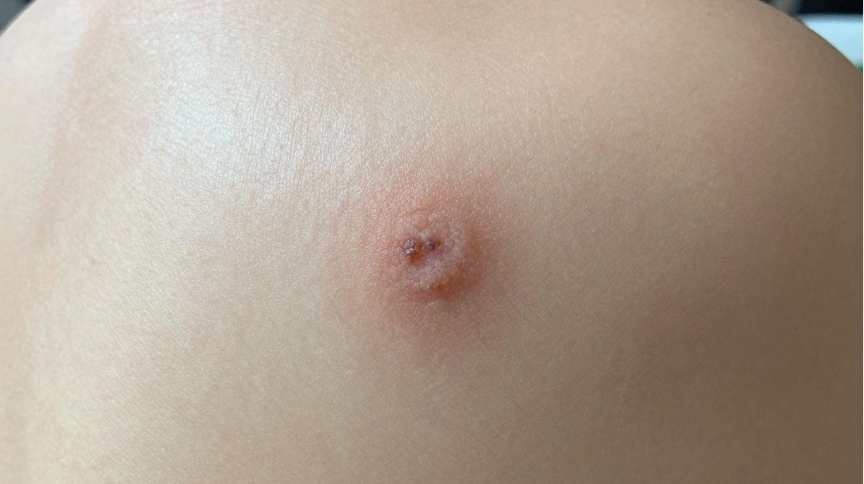
Skin cancer is pretty common, and sometimes the first signs can be easy to overlook. You might see a new mole or a spot that looks a little different and think nothing of it. But paying attention to these changes is really important. Catching skin cancer early makes a huge difference in how it's treated and the outcome. So, let's talk about what to look out for.
Key Takeaways
- Knowing what are the first signs of skin cancer, like new or changing moles, is key to early detection.
- Learning how to identify skin cancer early involves watching for the ABCDEs of melanoma and other unusual spots.
- Early symptoms of skin cancer on face can include pearly bumps or sores that don't heal.
- Understanding early stage skin cancer symptoms and pictures helps recognize things like non-healing sores or oddly shaped moles.
- Regular professional skin checks, including early skin cancer detection by dermatologist, are vital for monitoring your skin health.
Understanding Skin Cancer: A Quick Overview
Skin cancer happens when cells in your skin start to grow in a way they shouldn't. These cells can spread and harm healthy parts of your body. It's a pretty common type of cancer, but the good news is that when it's found early, it's often very treatable. Knowing the signs is the first step in taking care of yourself.
Think of your skin as a map of your health. Most of the time, new spots or changes are harmless, but sometimes, they can be a sign of something more serious. Paying attention to your skin and noticing anything new or different is really important.
There are different kinds of skin cancer, and they can look quite varied. Some might appear as a new mole, while others could be a sore that just doesn't seem to heal. It's not always about moles, either. Sometimes, it's just a patch of skin that feels rough or looks a bit off.
Here are some general things to keep in mind:
- Skin cancer starts with abnormal cell growth.
- Early detection significantly improves treatment outcomes.
- Regularly checking your skin can help you spot changes.
It's easy to overlook small changes on our skin, especially if we're busy or don't think much about it. However, these subtle shifts can sometimes be the earliest indicators of skin cancer. Being aware and proactive about your skin health is a simple yet powerful way to protect yourself.
Understanding that skin cancer originates from abnormal cell growth on the skin is key. These cells have the potential to infiltrate and damage healthy body tissues. Learning to recognize the early signs is a proactive step toward maintaining your well-being and seeking timely medical advice when needed.
Why Early Signs Are Easy to Miss
It's easy to overlook changes on our skin. We see our bodies every day, and sometimes, a new spot or a slight shift in an old one just doesn't register. Think about it – you might notice a new wrinkle or a dry patch, but a tiny mole that's subtly changing color? That can slip right by.
Several things contribute to this. For starters, our skin is our largest organ, and it's constantly presenting us with a lot of information. We get used to our moles and freckles, and unless something is dramatically different, we tend to file it away as 'normal for me.' Also, many early signs aren't painful or immediately alarming. A mole might change shape or color, or a small sore might appear, but if it doesn't hurt or bleed, it's easy to think, 'I'll get to that later.'
The sheer number of moles and spots most people have makes it challenging to track every single one. It's like trying to spot one specific leaf in a forest. Plus, we often associate skin issues with sun exposure, so if a spot appears in a less-exposed area, we might not think twice about it.
Here are a few reasons why these early signs can be so easy to miss:
- Familiarity breeds complacency: We get used to what our skin looks like, making subtle changes harder to notice.
- Lack of obvious symptoms: Early skin cancers often don't cause pain, itching, or bleeding, so they don't trigger an immediate alarm.
- Overwhelm of information: With so much skin surface, keeping track of every single spot is a big task.
- Misinterpretation: We might dismiss a changing spot as a new freckle, a minor irritation, or just a part of aging.
It's important to remember that skin cancer doesn't always look like a dark, suspicious mole. Some forms can appear as a pearly bump, a rough patch, or even a sore that just won't heal. These less obvious presentations can easily be mistaken for something benign.
The Most Common Early Signs of Skin Cancer
It's easy to overlook changes on our skin, especially if they seem small or insignificant. However, paying attention to these subtle shifts is key to catching skin cancer early, when it's most treatable. Knowing what to look for can make a real difference in your health.
So, what are the first signs of skin cancer? Often, it's a new spot or a change in an existing one. Think of it like this: your skin has a familiar landscape of moles and freckles. Anything that deviates from that, or appears suddenly, warrants a closer look. This is how to identify skin cancer early.
Here are some common early symptoms of skin cancer on face and body:
- A mole or spot that changes. This is a big one. If a mole changes in size, shape, or color, or if it starts to itch or bleed, don't ignore it. A helpful way to remember this is the ABCDE rule:
- Asymmetry: One half of the spot doesn't match the other.
- Border: The edges are irregular, blurred, or notched.
- Color: The spot has more than one color, like shades of brown, black, tan, or even red, white, or blue.
- Diameter: The spot is larger than about 6 millimeters, roughly the size of a pencil eraser.
- Evolving: The spot is changing in any way – size, shape, color, or even how it feels.
- A sore that doesn’t heal. If you have a cut, scrape, or even a pimple-like bump that doesn't heal within a few weeks, it could be a sign of skin cancer. These non-healing sores might bleed, ooze, or crust over repeatedly.
- A new spot that looks different. Sometimes, a new growth will just stand out. It might be a new mole or bump that looks unlike any other spot on your skin. This is often called the "ugly duckling" sign. It could be a pearly or shiny bump, a flat, scaly patch, or a reddish-brown lesion.
- A spot that itches, hurts, or bleeds. While not all skin cancers are painful, some can cause persistent itching, tenderness, or bleeding without any injury. If a spot feels uncomfortable or behaves strangely, it's worth getting checked.
It's important to remember that not all skin cancers look like dark moles. Some can appear as pink, red, or skin-colored bumps or patches. If something on your skin looks unusual or has changed, it's always best to get it checked out by a healthcare professional. Early skin cancer detection is key.
When you're checking your skin, take your time. Look at all areas, including your scalp, the soles of your feet, and between your toes. If you notice anything that concerns you, especially something that fits the descriptions above, don't hesitate to schedule an appointment. While self-checks are important, a professional skin exam is the best way to get a definitive answer about what does early skin cancer look like.
Differences in Early Signs by Skin Cancer Type
Skin cancer isn't a one-size-fits-all kind of disease. Different types can show up in ways that might surprise you, and knowing these distinctions can help you spot something unusual sooner. It's not just about moles; other skin changes can be warning signs too.
Here's a look at how early signs can vary:
- Basal Cell Carcinoma (BCC): This is the most common type. It often appears as a flesh-colored, pearl-like bump or a waxy-looking patch. Sometimes, it can look like a sore that bleeds, scabs over, and then returns, refusing to heal. It might also show up as a flat, reddish-brown scar-like lesion.
- Squamous Cell Carcinoma (SCC): SCC frequently presents as a firm, red nodule or a flat sore with a scaly, crusted surface. It can feel rough to the touch and might be tender or bleed easily. Think of it as a persistent rough patch that doesn't go away.
- Melanoma: This is less common but more serious. Melanoma often develops from an existing mole or appears as a new, dark spot. The ABCDEs are particularly helpful here:
- Asymmetry: One half of the spot doesn't match the other.
- Border: The edges are irregular, jagged, or blurred.
- Color: There are multiple colors, like shades of brown, black, red, white, or blue.
- Diameter: It's larger than about 6 millimeters (the size of a pencil eraser).
- Evolving: The spot is changing in size, shape, or color.
The key takeaway is that any new, changing, or unusual spot on your skin warrants attention.
It's easy to dismiss a new freckle or a slightly different mole, especially if it doesn't hurt. But skin cancer can be sneaky. Paying attention to changes, even subtle ones, is your best defense. If something looks different from everything else on your body, or if it's changing, it's worth getting it checked out by a healthcare professional.
Preventive Steps to Protect Your Skin
Taking steps to protect your skin is your first line of defense against skin cancer. Since most skin cancers are linked to UV exposure, simple daily habits can significantly lower your risk over time. It’s about being mindful and consistent with your protection.
Here are some key practices to adopt:
- Apply sunscreen daily. Use a broad-spectrum sunscreen with an SPF of 30 or higher. Remember to reapply it every two hours, especially if you're spending extended time outdoors or after swimming or sweating. Don't forget often-missed spots like your ears, neck, and the tops of your feet.
- Wear protective clothing. Long-sleeved shirts, pants, and wide-brimmed hats offer a physical barrier against the sun's harmful rays. Look for clothing with a UPF (Ultraviolet Protection Factor) rating for added defense.
- Seek shade. Try to limit your sun exposure during peak hours, typically between 10 a.m. and 4 p.m., when the sun's rays are strongest. Planning outdoor activities for earlier or later in the day can make a big difference.
- Avoid tanning beds. Artificial sources of UV radiation, like tanning beds and sunlamps, significantly increase your risk of skin cancer. It's best to avoid them altogether.
Regularly examining your skin is also a vital part of prevention. Get to know your skin so you can spot any new or changing spots quickly. This self-awareness, combined with consistent sun protection, forms a strong strategy for skin health.
Performing monthly self-checks is a smart habit. Take a good look at your entire body in a well-lit room, using a full-length mirror and a handheld mirror for hard-to-see areas like your back and buttocks. Pay attention to your scalp, the soles of your feet, and between your toes. If you notice anything that looks unusual or has changed since your last check, it’s time to schedule a professional skin exam. Early detection is key, and taking proactive steps can help safeguard your skin's health for the long term. You can find more information on protecting your skin from UV rays to lower your risk of skin cancer at UV ray protection.
Taking Charge of Your Skin Health
It's really important to keep an eye on your skin. Knowing these early signs means you can act fast if something looks off. Skin cancer is common, but when it's found early, it's usually much easier to treat. So, make it a habit to check your skin regularly, and don't hesitate to see a doctor if you notice anything new or changing. A quick visit to a dermatologist can make a big difference in your health.
Frequently Asked Questions
What is skin cancer?
Skin cancer is a type of sickness that affects the skin. It happens when skin cells grow in a way they shouldn't, often because of too much sun. While it's common, catching it early makes it much easier to treat and can save lives.
Why is it important to check for early signs of skin cancer?
Spotting skin cancer early is super important because when doctors find it soon, the treatments are usually simpler and work much better. The survival rate is much higher for early-stage skin cancer compared to when it's found later.
What is the ABCDE rule for checking moles?
The ABCDE rule is a simple way to remember what to look for in moles. It stands for Asymmetry (one half doesn't match the other), Border (edges are uneven), Color (more than one color is present), Diameter (it's bigger than a pencil eraser), and Evolving (it's changing in size, shape, or color).
What should someone do if they find a suspicious spot?
If a person notices a spot that looks concerning, like a changing mole, a sore that won't heal, or a new spot that looks different, they should take a picture to track it and then make an appointment to see a dermatologist as soon as possible.
Can skin cancer appear as something other than a dark mole?
Yes, definitely. Skin cancer can show up in different ways. It might look like a shiny bump, a rough, scaly patch, or even a sore that doesn't heal. It's important to pay attention to any new or changing spots on the skin, not just dark moles.
How often should someone check their skin for signs of cancer?
It's a good idea for everyone to check their skin from head to toe about once a month. This self-check helps people become familiar with their skin and notice any new or changing spots that might need a doctor's attention.
Blog Post Author

Contributed by Market Igniter
Market Igniter provides relevant content to help providers educate patients. The statements, services, and products referenced in this article have not been evaluated by the Food and Drug Administration, and they are not intended as a substitute for professional medical advice, diagnosis, or treatment. Always seek the advice of your provider with any questions or issues you may have. Specific recommendations may vary in different circumstances, so individual consultation is important.