Understanding Mohs Surgery: Expert Precision in Skin Cancer Treatment
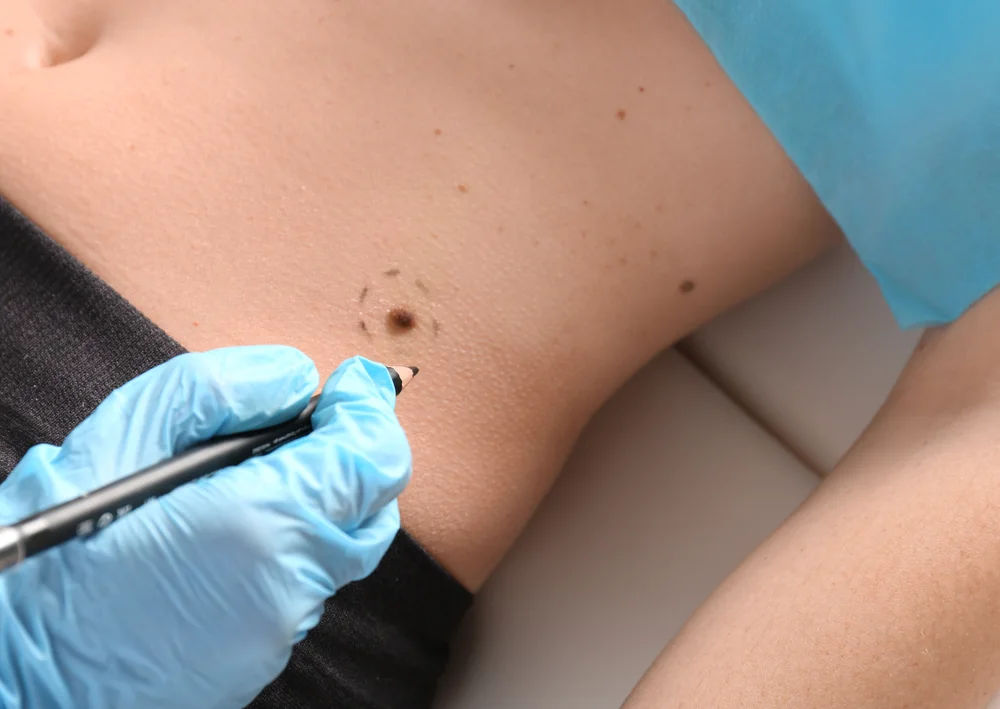
Skin cancer remains one of the most common cancers, but it is highly treatable when detected early and managed properly. While simple excision may work for some cases, more complex or high-risk skin cancers require a more advanced approach. Mohs micrographic surgery is considered the gold standard because it maximizes cancer removal while preserving healthy tissue and achieving a high cure rate. It is especially valuable for patients diagnosed with basal cell carcinoma, squamous cell carcinoma, or other aggressive skin cancers.
Mohs surgery involves removing tissue layer by layer and examining the margins under a microscope in real time. Because of its precision and effectiveness, it is preferred for areas where cosmetic outcome and tissue preservation are essential.
Why Precision Matters in Skin Cancer Treatment
The main challenge in skin cancer treatment is ensuring that no cancer cells remain after removing the visible tumor. Traditional excision removes a predetermined margin of surrounding tissue and sends the sample to a lab for later evaluation. While effective in many cases, it can miss irregular tumor extensions beneath the surface.
- Mohs surgery examines 100% of the surgical margin during the same visit.
- Tissue layers are removed and assessed immediately.
- Only the affected area is re-excised if cancer cells remain.
- This step-by-step method minimizes loss of healthy skin.
Who Benefits the Most from Mohs
- Tumors on the face, scalp, ears, neck, or hands
- Skin cancers that recur after previous treatment
- Aggressive or high-risk tumors
- Lesions with poorly defined borders
Mohs is recommended when it significantly improves cure rates or cosmetic outcomes.
A Closer Look at How Mohs Surgery Works
The procedure is completed in stages during a single appointment:
- Local anesthesia is administered.
- The visible tumor and a thin layer of surrounding tissue are removed.
- The tissue sample is mapped, sectioned, and examined in an on-site lab.
- If cancer cells remain, another layer is removed precisely from that area.
- The process repeats until margins are completely clear.
- The wound is repaired using stitches, flaps, or grafts depending on size and location.
Mohs surgery offers up to a 99% cure rate for some primary basal cell carcinomas while reducing scarring and preserving healthy tissue.
Considerations Before Choosing Mohs
Although Mohs provides remarkable benefits, it is not always the first choice for every patient or tumor type.
- The appointment may take several hours due to real-time tissue processing.
- Simpler excisions may be enough for superficial cancers in low-risk areas.
- Mohs may not be suitable for certain melanomas or deeply invasive cancers.
A thorough consultation is needed to determine if Mohs is the best option.
Recovery, Follow-Up, and Long-Term Results
After Mohs surgery, patients receive detailed wound-care instructions. Most can resume their normal routines within a few days, although healing time varies depending on the location and size of the surgical site.
Long-term care includes:
- Regular dermatologic checkups
- Consistent sun protection
- Routine self-examinations
Follow-up is an essential part of ongoing skin cancer prevention and care.
Final Thoughts
Mohs surgery combines scientific accuracy with patient-centered care. With its high cure rate and focus on tissue preservation, it remains one of the most advanced and effective treatments for many types of skin cancer.
To find out whether Mohs surgery is the right treatment for you, call (406) 702-1323 to schedule a consultation.
Blog Post Author

Contributed by Market Igniter
Market Igniter provides relevant content to help providers educate patients. The statements, services, and products referenced in this article have not been evaluated by the Food and Drug Administration, and they are not intended as a substitute for professional medical advice, diagnosis, or treatment. Always seek the advice of your provider with any questions or issues you may have. Specific recommendations may vary in different circumstances, so individual consultation is important.