
Mole Removal: Procedure, Costs, and Recovery
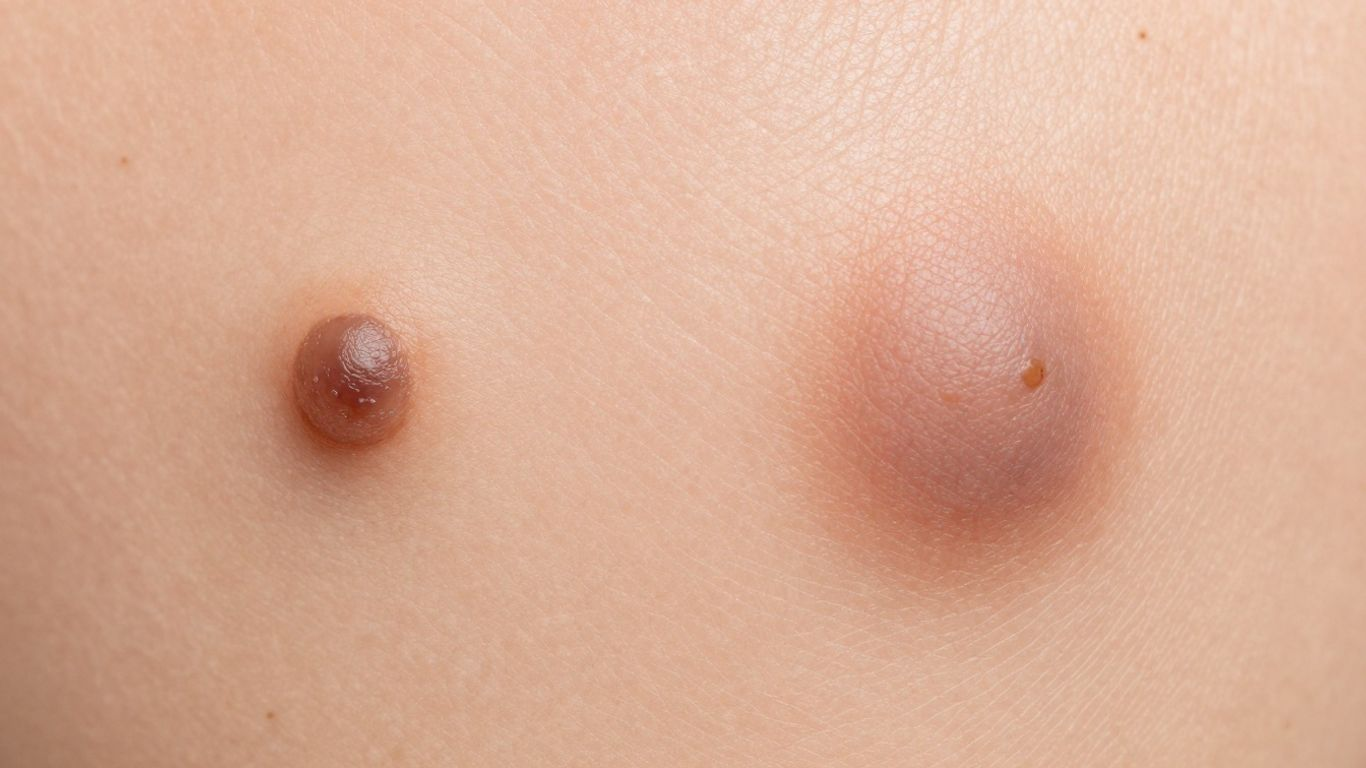
Moles are common skin growths, and while most are harmless, sometimes people want them gone for cosmetic reasons or if they change. If you're thinking about mole removal, there's a lot to consider. This article breaks down what's involved, from the actual procedure to how much it might cost and what to expect as you heal. We'll cover the different ways moles can be removed and what you can do to help your skin recover smoothly.
Key Takeaways
- Mole removal procedures vary, including surgical excision, shave removal, cryotherapy, and laser treatment, with the best method depending on the mole's size, depth, and location.
- The mole removal procedure itself is usually quick and done under local anesthetic, so pain during the removal is minimal, though some soreness afterward is possible.
- Mole removal healing time typically ranges from one to two weeks for the initial skin healing, but complete fading of redness or scars can take months.
- Proper mole removal aftercare tips, such as keeping the area clean, moist, and protected from the sun, are important for optimal healing and reducing the risk of infection or recurrence.
- While a scar after mole removal is possible, techniques and aftercare can help minimize its appearance, with outcomes varying based on the mole's characteristics and the removal method used.
What Is a Mole and When Removal Is Recommended
Moles, or nevi, are pretty common skin growths that can pop up just about anywhere on your body. Most of the time, they're totally harmless, just little marks that make us unique. But sometimes, a mole might be something you'd rather not have around, either because it's not the most attractive thing or, more importantly, because it's showing signs that it needs a closer look.
You should consider mole removal if a mole is causing you concern or discomfort. This often comes down to a few key reasons. First, there are the cosmetic reasons. Maybe a mole is in a spot that bothers you, like on your face, and you feel like removing it would boost your confidence. That's completely understandable.
Then there are the medical reasons, which are really the most important. If a mole starts changing – maybe it gets bigger, changes color, its border gets uneven, or it starts to itch or bleed – it's time to get it checked out by a dermatologist. These changes can sometimes be an early sign of skin cancer, and catching that early is super important. While most moles are benign (not cancerous), it's always best to be safe.
- Aesthetic Concerns: You simply don't like how a mole looks and want it gone for cosmetic reasons.
- Irritation: The mole is in a spot where it gets rubbed by clothing, jewelry, or during shaving, causing irritation or discomfort.
- Changes in Appearance: The mole shows any of the "ABCDEs" of melanoma (Asymmetry, Border irregularity, Color variation, Diameter larger than 6mm, Evolving or changing).
- Suspicious Characteristics: A dermatologist identifies features of the mole that warrant further investigation or removal.
It's worth noting that any mole removed, especially if there's a concern about its appearance, will usually be sent to a lab for testing to make sure it's not cancerous. This is a standard part of the process to ensure your health and peace of mind.
Types of Mole Removal Procedures
When it comes to getting rid of a mole, there are a few different ways a doctor might go about it. The best method really depends on the mole itself – things like its size, how deep it is, and even its color can play a role. It's not a one-size-fits-all situation, and your doctor will help figure out the best approach for you.
- Surgical Excision: Carefully cutting the mole out with a scalpel, sometimes including a bit of surrounding skin. Larger or deeper moles may require stitches.
- Shave Excision: Using a special blade to shave the mole down to the level of the surrounding skin. Usually used for raised, shallow moles with minimal scarring.
- Laser Removal: Focused light beams break down pigment in smaller, non-cancerous moles. Less invasive, may require multiple sessions.
- Cryotherapy: Freezing the mole with liquid nitrogen, typically for smaller, non-cancerous moles without cutting or stitches.
The choice of procedure is always made with your specific situation in mind, aiming for effective removal while considering how your skin will heal afterward.
What to Expect During the Mole Removal Procedure
When you come in for mole removal, the first step is a thorough check of the mole. A doctor or physician assistant will examine it, discuss reasons for removal, and explain the options. Sometimes removal can happen on the same day.
Before removal, the area is cleaned and numbed with a local anesthetic, so the procedure is generally pain-free. You might feel a slight pinch during the injection.
- Surgical Excision: Cut out the mole, sometimes including surrounding skin, and close with stitches.
- Shave Removal: Shave off raised moles at the skin surface, usually without stitches.
- Laser Treatment: Focused light beams break down mole cells, typically for smaller, non-cancerous moles.
If necessary, the removed mole is sent to a lab for examination. A bandage is applied, and the goal is effective removal with minimal scarring. Strenuous activities might be paused briefly, and doctors provide specific aftercare instructions.
Mole Removal Cost: What Influences Pricing
The cost of mole removal varies based on procedure type, mole size and depth, number of moles, and location. Average ranges:
- Shave Removal: $200–$600 per mole.
- Surgical Excision: Similar range, depending on complexity.
- Laser Removal: $300–$800 per session, sometimes multiple sessions needed.
Extra costs may include lab testing (biopsy), follow-up appointments, or medications. Insurance may cover medically necessary removals but not cosmetic ones. Local cost of living can also influence pricing.
Minimizing Scarring and Supporting Optimal Healing
Proper aftercare is key for healing and cosmetic outcomes. Keep the area clean, protected, and follow your provider’s instructions.
- Initial Healing (1–2 Weeks): Redness and swelling are normal. Sutures removed within 1–2 weeks. Avoid strenuous activities and prolonged water exposure.
- Ongoing Healing (1–2 Months): Redness and raised skin gradually fade. Continue protecting the skin.
- Long-Term Care (Beyond 2 Months): Skin may remain sun-sensitive. Daily broad-spectrum sunscreen recommended to minimize scar discoloration.
Additional tips include avoiding blood-thinning medications and alcohol as advised, gently cleansing the area, using prescribed ointments, and wearing sunscreen once healed.
Wrapping Up Your Mole Removal Journey
Mole removal can be for cosmetic or health reasons. Understanding procedures, costs, and aftercare helps ensure a smooth experience. Consulting your doctor is the best first step to plan your removal and healing process effectively.
Frequently Asked Questions
When should a mole be removed?
Moles should be removed if they change in size, shape, or color, or if they bleed, itch, or feel uncomfortable. Cosmetic removal is also common.
Is mole removal a painful process?
Most procedures are not very painful due to local anesthetic. Mild soreness afterward is normal.
Will removing a mole leave a scar?
Scarring is possible, but doctors use techniques to minimize it. Final appearance depends on mole size, depth, and removal method.
What are the common ways moles are removed?
Surgical excision, shave removal, laser removal, and cryotherapy are common. Method choice depends on mole characteristics.
Can I go back to my usual activities after mole removal?
Yes, most people can resume daily activities quickly, but strenuous exercise, swimming, or soaking should be avoided for a few days.
What happens to the mole after it's removed?
If there’s any concern, the mole is sent to a lab for testing. Benign moles are simply discarded.
Blog Post Author

Contributed by Market Igniter
Market Igniter provides relevant content to help providers educate patients. The statements, services, and products referenced in this article have not been evaluated by the Food and Drug Administration, and they are not intended as a substitute for professional medical advice, diagnosis, or treatment. Always seek the advice of your provider with any questions or issues you may have. Specific recommendations may vary in different circumstances, so individual consultation is important.